


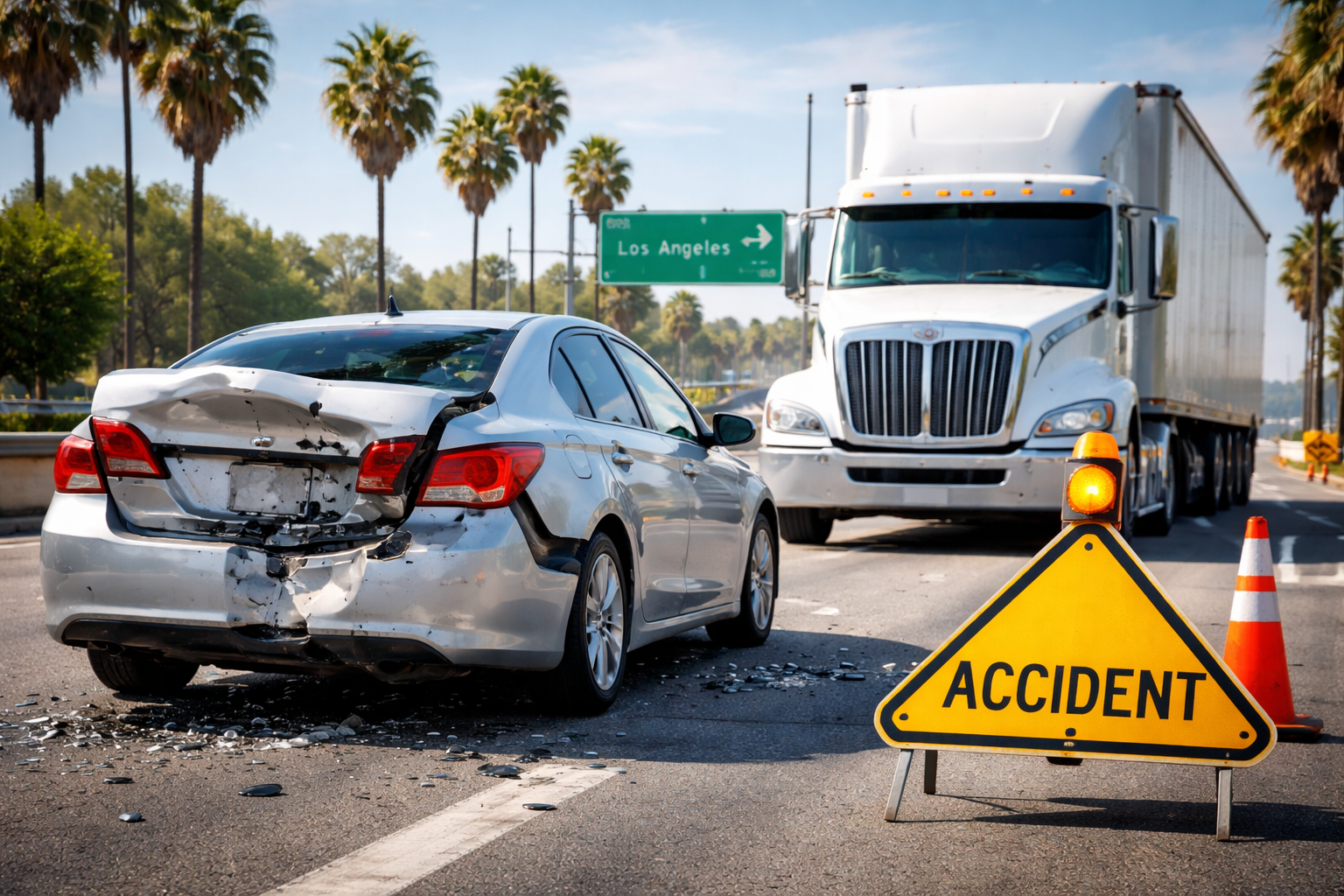
Being struck by a commercial vehicle in California can create immediate safety concerns, long term medical consequences, and complicated insurance questions. When you are hit by a commercial truck or delivery van, understanding what to do after the accident can protect your rights and financial recovery. This guide explains key steps and considerations for victims of commercial vehicle accidents, and provides practical direction so you can navigate the road ahead.
Why are commercial vehicle accidents more complex than typical car crashes?
Commercial vehicle collisions often involve more serious impact and a larger network of parties. Trucks and delivery vans outweigh passenger cars by significant margins, which increases the chances of severe injuries. The complexity of corporate insurance policies and possible multiple defendants can make claims harder to resolve.
Some commercial drivers may operate under federal and state regulations that strongly influence liability. These standards govern vehicle maintenance, driver rest schedules, training procedures, and record keeping. When these rules are violated, it may strengthen an injured victim’s claim for compensation.
Additionally, victims may face challenges identifying who is responsible. The driver, employer, vehicle owner, cargo loader, or even a third party maintenance contractor might share fault. Discovery becomes essential to establish liability and compensation.
What immediate steps should you take at the scene?
When you are struck by a commercial vehicle in California, taking the right actions immediately can support your safety and strengthen your future claim.
- Call 911 to report the accident and request medical assistance.
- Move to a safe area away from traffic if possible and wait for emergency responders.
- Exchange contact, insurance, and employer information with the commercial driver.
- Photograph the vehicles, road conditions, traffic signals, and visible injuries.
- Gather witness names and phone numbers for later verification.
- Avoid admitting fault or discussing specifics with anyone except law enforcement.
What evidence can strengthen your commercial vehicle accident claim?
Accidents involving commercial vehicles often require stronger documentation. While basic evidence like photographs and medical records matter, additional items may become crucial. Examples include driver logbooks, black box data, and employer maintenance reports.
Key evidence worth gathering includes:
- Police and CHP reports that detail driver statements and fault determination
- Witness contact information to support your version of events
- Medical evaluations showing injuries, prognosis, and treatment plans
- Repair estimates that show the extent of property damage
These records help demonstrate the seriousness of the collision. They can also prove whether the driver was negligent, fatigued, or improperly trained.
How does commercial vehicle insurance affect your claim?
Commercial vehicles are often covered by larger policies compared to personal cars. That means insurers may fight harder to minimize payouts. Understanding how these policies interact is important before negotiating.
Below is how commercial policies differ in key ways compared with personal auto insurance:
| Feature | Commercial Policy | Personal Policy |
| Coverage Amount | Higher limits to cover serious injuries | Lower limits and standard payouts |
| Parties Involved | Multiple defendants and corporate insurers | One driver and personal insurer |
| Claim Complexity | Requires legal documentation and expert review | Less complex and faster claims |
California law requires commercial vehicles to carry higher coverage limits. These policies can help injured victims secure compensation for medical bills, lost wages, and long term disability.
What types of injuries are common in commercial vehicle accidents?
Collisions involving commercial trucks and delivery vehicles often result in serious trauma due to weight and impact, and these injuries can affect both short term recovery and long term mobility.
- Fractures and broken bones from direct impact or crushing forces.
- Spinal cord injuries that may lead to paralysis or chronic pain.
- Traumatic brain injuries, including concussions and cognitive impairment.
- Soft tissue injuries such as whiplash, torn ligaments, and muscle damage.
- Internal organ injuries that require emergency medical intervention.
- Emotional and psychological effects, including anxiety and post accident stress.
Who can be held responsible for a commercial vehicle accident?
Responsibility may fall on more than just the driver. California law recognizes employer liability through negligent hiring, training, and supervision. If a company fails to enforce safety rules or maintain vehicles, it may be held accountable.
Potential liable parties include:
- Commercial driver
- Employer or trucking company
- Vehicle manufacturer
- Maintenance contractor
- Cargo loading company
Determining responsibility requires careful analysis of records and regulations.
What damages can you pursue after being struck by a commercial vehicle?
Victims of commercial vehicle accidents may be entitled to compensation that reflects both the immediate impact of the collision and its long term financial and physical consequences.
- Medical expenses for emergency treatment, surgeries, rehabilitation, and ongoing care.
- Lost wages and diminished earning capacity if injuries prevent you from working.
- Property damage to repair or replace your vehicle and personal belongings.
- Pain and suffering that addresses physical discomfort and emotional hardship.
- Long term disability costs, including assistive devices and home modifications.
- Emotional distress and reduced quality of life due to permanent or serious injuries.
What mistakes should you avoid after a commercial vehicle accident?
After a collision with a commercial vehicle, certain missteps can weaken your claim and reduce the compensation you may be entitled to, so it is important to approach post accident decisions carefully.
- Agreeing to a recorded statement with the insurer without legal guidance.
- Accepting early settlement offers before understanding the full extent of your injuries.
- Skipping medical evaluations or follow up appointments after the accident.
- Discussing fault or apologizing at the scene or with insurance adjusters.
- Posting details about the collision or injuries on social media.
How can California laws impact your commercial vehicle accident case?
California follows comparative negligence rules. If you are partially at fault, your compensation may be reduced. Proper documentation and expert review help challenge unfair fault assignments.
Statutes of limitations apply. Most injury claims must be filed within two years. Evidence preservation becomes important, especially for electronic data and maintenance logs.
Commercial vehicle accidents may trigger federal oversight. This oversight applies to trucking fleets and long haul transport. These regulations can strengthen liability arguments when they are violated.
A steady road to recovery and legal support
The aftermath of a commercial vehicle accident can feel overwhelming. The injuries, insurance battles, and legal complexities can quickly escalate without proper guidance. Seeking medical treatment, documenting evidence, and understanding commercial liability can strengthen your claim and help you pursue fair compensation.
Knapp Moss can support you by evaluating liability, preserving critical evidence, and handling negotiations with corporate insurers so you can focus on healing. If you were struck by a commercial vehicle, reach out to Knapp Moss today for dedicated legal guidance.
Contact Knapp Moss now for a free consultation.
Frequently Asked Questions
Yes, you can pursue claims against both if evidence shows the employer contributed to negligence. This may include improper training, maintenance failures, or policy violations.
California’s comparative negligence law reduces your compensation but does not prevent recovery. You may still pursue damages based on the other party’s share of fault.
Complex insurance policies and corporate defendants can lengthen the process. Negotiations may take months, especially in cases involving serious injuries or disputed liability.
Many claims settle before trial through negotiation or mediation. However, cases with disputed responsibility or severe injuries may proceed to court.
Commercial policies often carry higher limits, which can produce larger settlements. Actual values depend on injuries, evidence, and long term medical needs.