



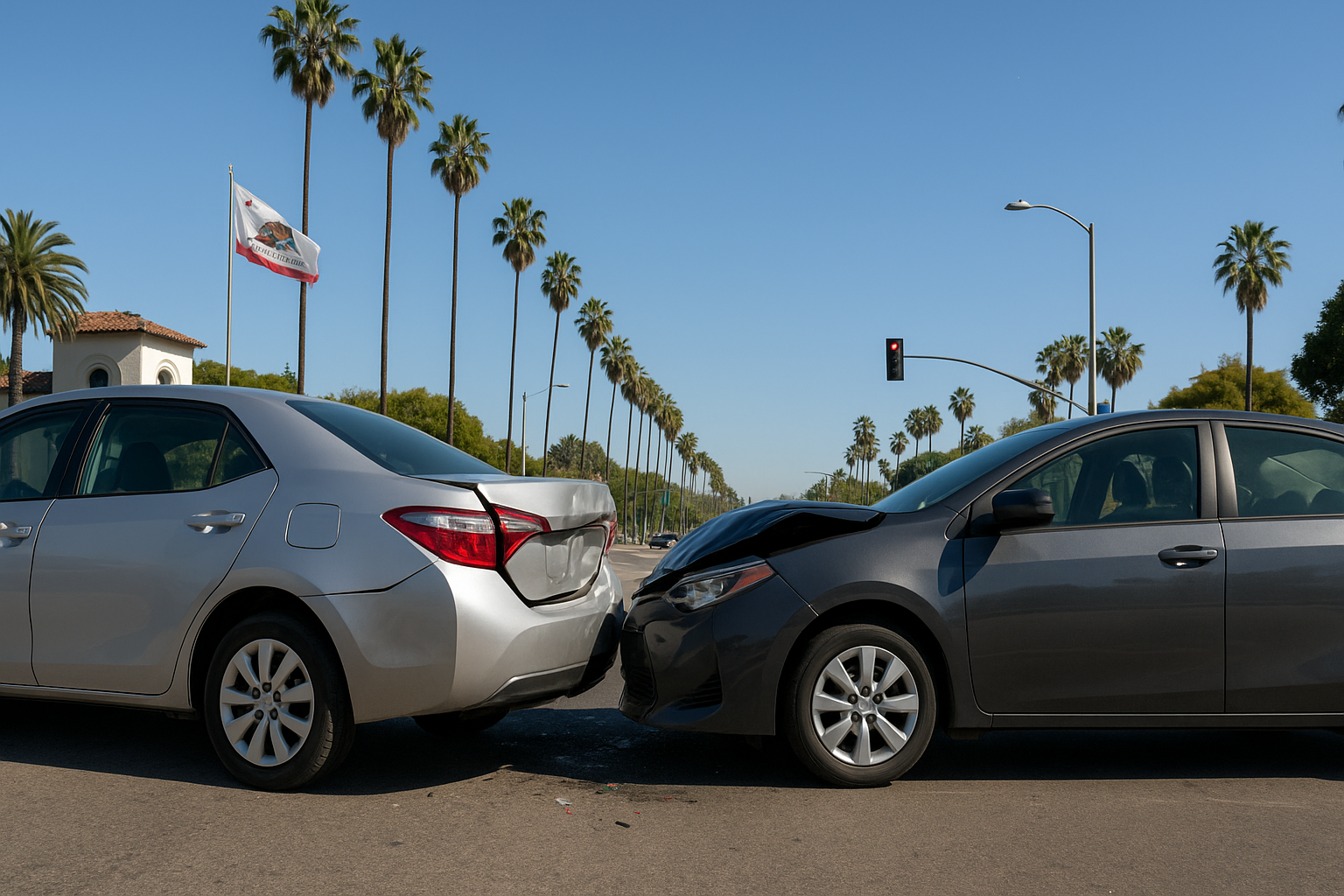
When you’ve been in an accident, one of the first questions that may come up is whether you were at fault. But what happens if you’re partially at fault in California? Understanding how the state’s comparative negligence system works is critical to protecting your rights and ensuring you don’t miss out on compensation you may still deserve.
In this blog, we’ll explain what happens if you’re partially at fault in California, how liability is divided, and why having an experienced attorney matters.
Understanding comparative negligence in California
California follows a pure comparative negligence system. This means that even if you share some responsibility for an accident, you can still recover damages. However, your compensation will be reduced based on your percentage of fault.
For example, if you are found 30 percent at fault in a car accident and your total damages amount to $100,000, you could still recover $70,000.
To better understand how California’s comparative fault system impacts your compensation, here’s a simple example showing how damages are reduced based on different levels of fault:
| Percentage of Fault | Total Damages | Amount You Can Recover |
|---|---|---|
| 0% (Not at fault) | $100,000 | $100,000 |
| 20% at fault | $100,000 | $80,000 |
| 40% at fault | $100,000 | $60,000 |
| 60% at fault | $100,000 | $40,000 |
| 80% at fault | $100,000 | $20,000 |
This system provides fairness by recognizing that accidents are rarely black and white. Instead of denying injured people recovery altogether, California law allows victims to seek damages even when they contributed to the incident.
How fault is determined in personal injury cases
Determining fault isn’t always straightforward. Insurance companies, lawyers, and sometimes juries weigh the evidence to decide each party’s share of responsibility. They will review police reports, eyewitness accounts, medical records, and expert testimony to assign fault percentages.
Because fault determination directly impacts compensation, insurance adjusters often try to assign more blame to injury victims to minimize payouts. This is why working with a knowledgeable attorney can be critical when fault is disputed. They can challenge unfair claims and advocate for a more accurate representation of your role in the accident.
Examples of partial fault situations
Here are some common ways a person might be found partially responsible in an accident:
- Car accidents are the most common examples of shared liability. Imagine you were rear-ended, but your brake lights weren’t functioning properly. You may still recover damages, but your compensation could be reduced since your broken lights contributed to the crash.
- Slip and fall accidents also often involve shared fault. If you slip in a grocery store but were distracted by texting, you might be assigned a percentage of responsibility.
- In medical malpractice cases, partial fault can also apply if a patient doesn’t follow medical advice, leading to worsened injuries.
Each of these situations shows how fault can be shared, yet injured parties may still seek compensation for their losses.
The impact on your compensation
The biggest effect of being partially at fault is how much you can recover in damages. California’s pure comparative negligence rule means even if you are 99 percent responsible, you can still recover 1 percent of your losses.
This matters because accidents often involve shared blame. Without this rule, many injured people would lose their right to any recovery. Instead, California law ensures that your compensation reflects the true proportion of fault, rather than eliminating your claim completely.
However, because percentages directly affect the payout, insurance companies will do everything possible to shift blame in their favor. This makes legal representation especially important to preserve the compensation you deserve.
Why insurance companies push fault onto victims
Insurance adjusters are trained to protect their company’s bottom line. By assigning partial fault to you, they reduce the amount they must pay in damages. For example, shifting just 20 percent of the blame onto you can save them thousands of dollars.
These tactics often involve questioning your actions, twisting statements, or misrepresenting evidence. Many claimants don’t realize how much this strategy impacts their case until it’s too late. Having an attorney levels the playing field and prevents insurers from unfairly taking advantage of you.
Learn More: What to Know About Filing a Claim After a Slip and Fall
Steps to take if you might be partially at fault
If you believe you could share responsibility for an accident, here’s what you should do:
1. Stay calm and ensure safety
After the accident, check for injuries and move to a safe area if possible. Remaining calm helps you think clearly and avoid saying or doing things that might harm your case.
2. Call the authorities
Always contact the police, even if you believe you were partially at fault. An official accident report provides an unbiased record that can later clarify details and reduce disputes.
3. Gather evidence at the scene
Take photos of the vehicles, injuries, road conditions, and surroundings. Collect witness information as well. This evidence can highlight contributing factors beyond your own actions.
4. Avoid admitting fault
Even casual remarks like “I’m sorry” can be interpreted as an admission of liability. Instead, stick to the facts and allow investigators and attorneys to determine fault.
5. Seek medical attention
Get checked by a doctor, even if your injuries seem minor. Medical records are critical for linking your injuries to the accident and strengthening your claim.
6. Notify your insurance company carefully
Report the accident promptly but avoid speculating about fault. Provide only factual details, and remember that your insurer’s job is to evaluate risk, not assign blame.
7. Consult a personal injury attorney
An experienced attorney can protect your rights, explain California’s comparative fault rules, and work to minimize your percentage of liability so you can still recover damages.
Taking these steps ensures that your side of the story is preserved and your legal rights remain intact.
What damages can still be recovered
Even if you’re partially at fault, you may still recover a wide range of damages, including:
- Medical bills and future treatment costs
- Lost wages and loss of earning capacity
- Pain and suffering
- Emotional distress
- Property damage
These damages reflect the full scope of your losses, reduced only by your assigned percentage of fault.
How an attorney can strengthen your case
An experienced attorney can investigate your accident, gather supporting evidence, and negotiate with insurance companies to protect your rights. They can also explain how California’s laws apply to your specific situation and represent you in court if necessary. Without skilled legal support, you risk losing a significant portion of the compensation you’re entitled to.
Learn More: Signs You Need a Lawyer After a Car Accident
Wrapping it up with Knapp Moss on your side
Being partially at fault in California does not mean you lose your right to compensation. Thanks to the state’s comparative negligence system, you can still recover damages, but the outcome depends heavily on how your case is presented.
Knapp Moss can help by thoroughly investigating your accident, fighting against unfair fault assignments, and advocating to maximize your recovery. With the right guidance, you can focus on healing while your legal team handles the complex details.
Contact Knapp Moss today for a free consultation.
Frequently Asked Questions
Yes. Under pure comparative negligence, you can recover compensation even if you were 99% at fault, but your damages will be reduced accordingly.
Police reports, surveillance footage, witness statements, and medical documentation can all support your case and reduce your liability percentage.
Yes. Insurance companies typically investigate thoroughly and may try to place more blame on you to reduce their payout.