


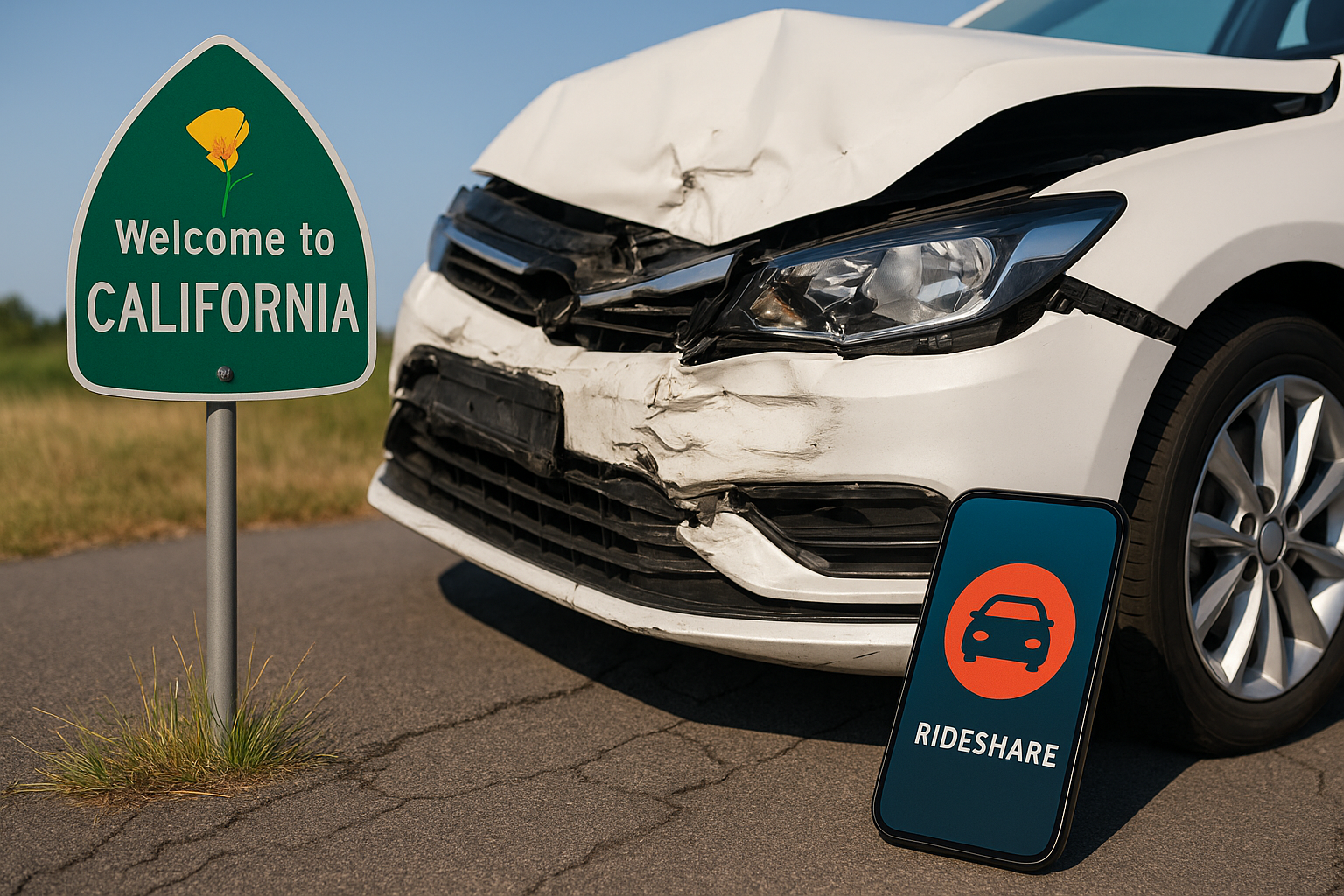
Visitors rely heavily on rideshare services to move through unfamiliar California cities, airports, and tourist districts. When a crash happens, understanding what visitors to California should do if injured by a rideshare vehicle becomes essential. This guide explains how liability works, what steps to take, and how tourists can protect their claims even after leaving the state.
Why are rideshare related injuries so common for California visitors?
Visitors often use rideshare apps more frequently than locals, especially in busy cities or tourist areas. Because they do not know local traffic patterns, they may be caught off guard by sudden stops or unsafe maneuvers.
Many rideshare accidents happen near airports, downtown hotels, theme parks, and coastal attractions. Drivers may rush between pick ups, cut across lanes, or engage in risky driving to avoid traffic.
These factors create hazards for passengers, pedestrians, cyclists, and people in other vehicles. Tourists are especially vulnerable because they may not recognize dangerous conditions around them.
Steps visitors should take after a rideshare injury
Before building a claim, visitors need to take certain steps right after the crash to protect their health and preserve important evidence.
- Call 911 and request a police report: Getting first responders involved ensures injuries are documented and an official report supports your claim.
- Document the scene with photos and videos: Capture vehicle damage, injuries, road conditions, traffic signs, and anything that shows how the crash occurred.
- Save rideshare app screenshots: Record trip details, driver information, pickup points, and timestamps to verify the circumstances of the ride.
- Collect driver and witness information: Obtain names, phone numbers, insurance details, and any witness statements while still at the scene.
- Ask for the responding officer’s badge number: This helps confirm the report and prevents issues when insurers request verification later.
Should injured tourists seek medical care even if symptoms seem minor?
Yes. Many accident injuries, including concussions, soft tissue damage, and spinal issues, are not obvious right away. Adrenaline can mask pain temporarily.
Visitors should undergo an evaluation in California so injuries are properly documented. Without medical records from the trip, insurers may later question whether the injury happened during the visit.
Printed or digital copies of medical records also help when continuing treatment back home. They establish a clear timeline showing that injuries came from the rideshare incident.
Who is responsible for a rideshare accident involving a visitor?
Liability depends on what the rideshare driver was doing at the time. California has unique rules for rideshare insurance, and coverage varies based on the driver’s status.
If the driver was offline, only personal auto insurance applies. When the driver is online but waiting for a ride request, partial rideshare coverage applies. When actively transporting a rider, higher corporate insurance limits become available.
| Rideshare stage | Coverage available | Who is responsible |
|---|---|---|
| Offline driver | Personal auto insurance | Individual driver |
| Online waiting | Limited rideshare liability coverage | Driver and rideshare company |
| En route or transporting | Up to one million in coverage | Rideshare company |
How does liability work if the visitor was riding in the vehicle?
Passengers injured inside a rideshare vehicle may have multiple insurance layers available. This can include personal insurance from the rideshare driver, corporate rideshare coverage, and coverage from other vehicles involved.
Because visitors leave the state soon after the crash, collecting documents early is crucial. Photos, trip data, medical notes, and repair estimates help maintain a strong case.
These records also help a lawyer negotiate with carriers, especially when multiple insurers dispute responsibility or attempt to reduce payouts.
What if the rideshare driver was not at fault?
Sometimes a third party vehicle is responsible. In these situations, the at fault driver’s insurance becomes the primary source of compensation.
Visitors may still recover medical costs, property damage, and pain and suffering. If the at fault driver has no insurance or insufficient coverage, rideshare policies may provide additional layers of protection.
Visitors should not assume they cannot make a claim simply because their rideshare driver did not cause the crash. Multiple insurance routes may still be available.
What challenges do out of state visitors face when filing a claim?
Rideshare accidents can be especially stressful for tourists who are far from home and unsure how California’s laws work. Before diving into the details, here is what you should understand about why these incidents happen so often and why visitors face unique risks on unfamiliar roads.
- Delays in communication due to time zone differences and missed calls from adjusters.
- Difficulty accessing medical records, receipts, and diagnostic reports after returning home.
- Trouble gathering witness statements or scene evidence once they have left California.
- Insurers questioning injury severity or the connection to the trip because documentation is incomplete.
- Added stress navigating California liability rules from another state.
- Higher risk of receiving low settlement offers when evidence is missing or delayed.
Why should visitors consider hiring a California rideshare injury lawyer?
A California lawyer understands the insurance structure, liability rules, and rideshare regulations that affect compensation. Local attorneys also manage evidence collection, communication, and negotiation on the visitor’s behalf.
Lawyers preserve key deadlines and prevent low settlement offers. Visitors can continue medical treatment at home while their attorney handles the California based work.
Legal guidance also helps assess the full value of a claim, including pain and suffering, missed travel experiences, medical care, and long term health impacts.
What compensation can injured visitors seek after a rideshare collision
Visitors often wonder what types of losses they can recover after a rideshare crash, especially when they have already returned home. Understanding the core categories of compensation helps clarify what a claim may include and what documentation is most important.
Possible compensation includes:
- Medical expenses for emergency care, diagnostics, treatment, and follow up
- Costs related to therapy, rehabilitation, or long term medical needs
- Reimbursement for damaged personal items or lost belongings
- Compensation for missed travel plans, shortened trips, or lost vacation days
- Lost income from missed work during or after the trip
- Pain and suffering based on physical pain, emotional distress, and daily life impact
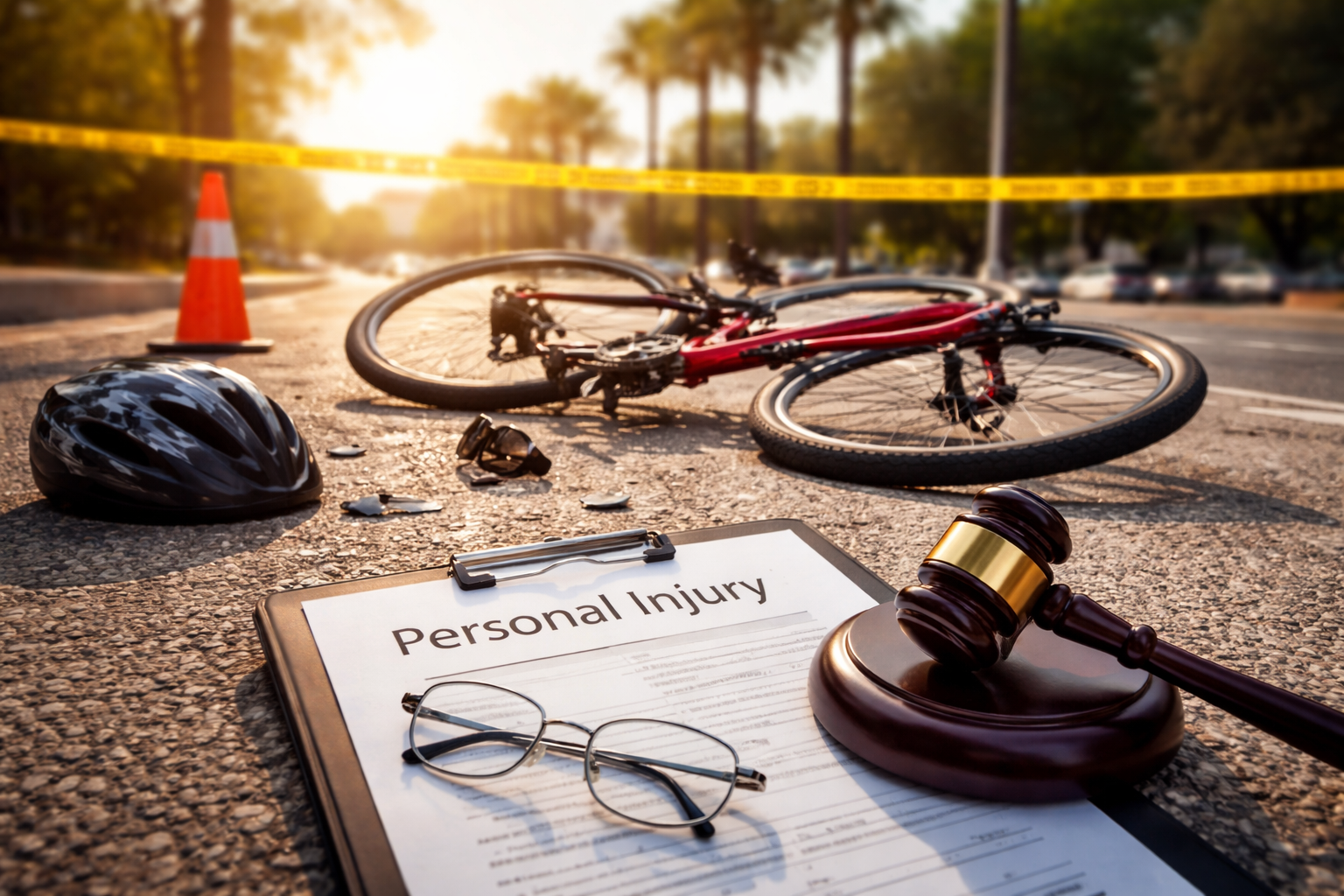
What if the visitor was a pedestrian or cyclist struck by a rideshare vehicle?
Pedestrians and cyclists are extremely vulnerable and may suffer serious injuries. Coverage depends on whether the driver was online or transporting a passenger.
Visitors should still follow the same steps as vehicle passengers. This includes calling police, gathering evidence, and seeking immediate medical evaluation.
Because visibility, driver speed, and right of way rules often become issues, pedestrian and cyclist claims may involve more detailed investigations.
How long do visitors have to file a claim in California?
Most personal injury claims must be filed within two years. Visitors should act quickly to avoid missing critical deadlines.
If a public entity is involved, the deadline shortens to six months. This applies to crashes involving government vehicles or unsafe public conditions.
A lawyer can identify deadlines, file paperwork correctly, and ensure the visitor’s rights remain protected throughout the process.
Staying protected far from home
A California trip should leave visitors with great memories rather than unexpected medical bills. Understanding the steps to take after a rideshare crash helps tourists protect their health and preserve their right to compensation.
Knapp Moss helps visitors manage rideshare injury claims from anywhere in the country. Our team handles communication, gathers records, and negotiates with insurers while you focus on healing.
Contact Knapp Moss today for the support you deserve.
Frequently Asked Questions
Call 911, document the scene, and gather driver information. These actions safeguard your health and strengthen your insurance claim.
Yes. A California attorney can manage your case remotely. Your documentation from the trip will support your claim.
Yes. Rideshare companies provide up to one million in liability coverage during active rides. This helps protect injured passengers.
You may still qualify for coverage if the driver was online. Evidence from the scene is key to proving fault.
Yes. Our team assists out of state clients with communication, evidence gathering, and settlement negotiations.