



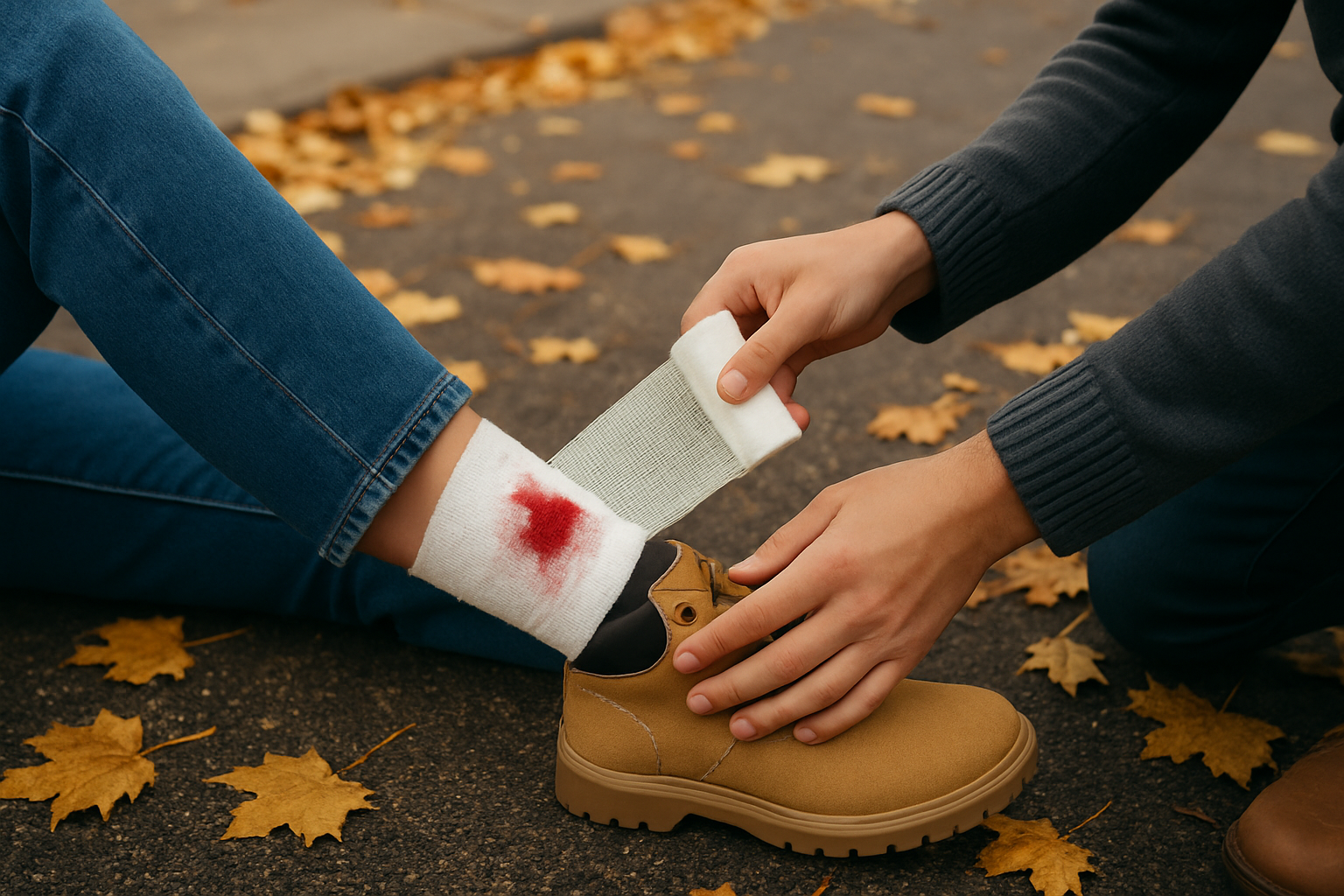
Dog bites can cause severe injuries that often lead to lasting physical, emotional, and financial consequences. When the injuries are serious, victims may seek compensation through a personal injury claim.
In this article, we will discuss the top 5 dog bite injuries that lead to legal action, explain why they are taken seriously in the courts, and show how Knapp Moss can help you pursue justice.
Why dog bite cases are taken seriously
Dog bites are not minor incidents in many cases. They can leave victims with permanent scars, costly medical bills, and even psychological trauma. Dog owners are held responsible under California’s strict liability law, meaning they are often accountable for damages regardless of whether they knew the dog was dangerous. This is why victims frequently file lawsuits to recover compensation for medical care, lost wages, and pain and suffering.
Top 5 dog bite injuries that lead to legal action
Let’s take a closer look at the top dog bite injuries that most often lead victims to pursue legal action.
1. Severe lacerations and scarring
One of the most common injuries from dog attacks is severe lacerations. These deep cuts can require stitches, surgeries, and even skin grafts. The physical scars can be permanent and, depending on the location, may cause emotional distress for the victim. These visible and lasting injuries often strengthen a victim’s case for compensation.
2. Broken bones and crush injuries
Dog bites can also lead to broken bones and crush injuries, especially when large or strong breeds are involved. Victims may suffer fractures in the hands, arms, or legs while trying to defend themselves. Such injuries can require long recovery periods, rehabilitation, and even surgery. Because of their significant impact on daily life, they often become a central factor in dog bite lawsuits.
3. Infections and complications
Even smaller bite wounds can turn into serious medical problems if they become infected. Dog saliva carries bacteria like Pasteurella, Capnocytophaga, and staphylococcus, which can lead to severe infections if untreated. In rare cases, victims may develop sepsis or other life-threatening conditions. The risk of complications adds weight to claims for medical expenses and pain and suffering.
4. Nerve damage and loss of mobility
Some dog bites cause nerve damage, particularly when the bite penetrates deeply into muscle tissue. Victims may lose sensation, suffer chronic pain, or experience reduced mobility in the affected area. When nerve injuries interfere with someone’s ability to work or perform daily activities, they can significantly increase the damages sought in a legal claim.
5. Emotional trauma and PTSD
Beyond physical harm, many victims experience severe emotional trauma following a dog attack. Post-traumatic stress disorder (PTSD), anxiety, and fear of dogs are common after an attack. This type of psychological suffering is taken into account in personal injury cases, as it can alter the victim’s quality of life long after the wounds have healed.
To better understand how these injuries connect to potential legal action, here’s a quick comparison of the most common dog bite injuries, the typical treatments, and the types of legal consequences they may carry.
| Injury Type / Issue | Typical Treatment & Recovery | Potential Legal Consequences | Key Evidence for Claim |
|---|---|---|---|
| Severe lacerations & scarring | Sutures, skin grafts, plastic surgery, healing time | Higher damages for disfigurement, pain & suffering, long-term care | Before/after photos, medical records, specialist testimony |
| Broken bones / crush injuries | Surgery, fixation, immobilization, physical therapy | Claims for medical costs, lost wages, diminished function | X-rays, orthopedic reports, rehab records |
| Infections & complications | Antibiotics, hospitalization, debridement | Additional medical bills, extended care, complications claim | Lab reports, culture tests, infection progression timeline |
| Nerve damage / loss of mobility | Nerve repair, therapy, pain management | Claims for lost function, disability benefits | Neurological exams, EMG / nerve conduction studies, expert opinions |
| Emotional trauma / PTSD | Counseling, therapy, psychiatric care | Compensation for emotional distress, mental anguish | Mental health records, psychological evaluation, personal testimony |
How courts view these injuries
When a dog bite case reaches the courts, judges and juries focus on more than just the immediate medical bills. They also consider the following:
- Severity of injuries, including permanent scarring, nerve damage, and emotional trauma.
- Medical records, photos, and expert testimony help prove the link between the attack and the harm.
- A dog’s history of aggression or the owner’s violation of leash laws can increase liability.
- Victim actions, such as provoking the dog or delaying treatment, may reduce compensation.
By balancing these factors, the courts aim to determine not only compensation for the victim’s financial losses but also damages for long-term suffering and diminished quality of life.
Building a strong case after a dog attack
Taking the right steps after a dog bite can make a major difference in protecting your health and strengthening your legal claim. Acting quickly and staying organized helps ensure that important evidence is not lost and that your case is positioned for the best possible outcome.
- Get medical care immediately: Seeking treatment right away not only protects you from infection or complications but also creates medical records that serve as critical evidence.
- Document the scene: Photos of your injuries, the dog, and the location, along with witness statements, provide powerful support for your version of events.
- Report the incident: Notifying animal control or local authorities creates an official record of the attack that can back up your claim.
- Preserve evidence: Keep damaged clothing, medical bills, and proof of lost wages to clearly show the financial and physical impact of the attack.
- Work with an attorney: An experienced lawyer can guide the process, gather additional evidence, and make sure no legal deadlines are missed.
Learn More: Legal Steps to Take After a Dog Bite in California
A supportive hand in your recovery journey
Dog bite injuries can change lives in an instant, leaving victims with physical scars, emotional distress, and financial burdens. Pursuing legal action is often the only way to recover the costs of treatment and hold negligent owners accountable.
At Knapp Moss, we understand the challenges victims face after a dog attack. Our team is dedicated to protecting your rights, fighting for the compensation you deserve, and helping you move forward. Let us be your trusted legal ally.
Contact Knapp Moss today for a free consultation.
Frequently Asked Questions
Yes, even minor bites may be grounds for legal action if they cause emotional trauma or require medical treatment.
You typically have two years from the date of the injury to file a claim.
Yes, psychological trauma such as PTSD or anxiety may be included in your claim.