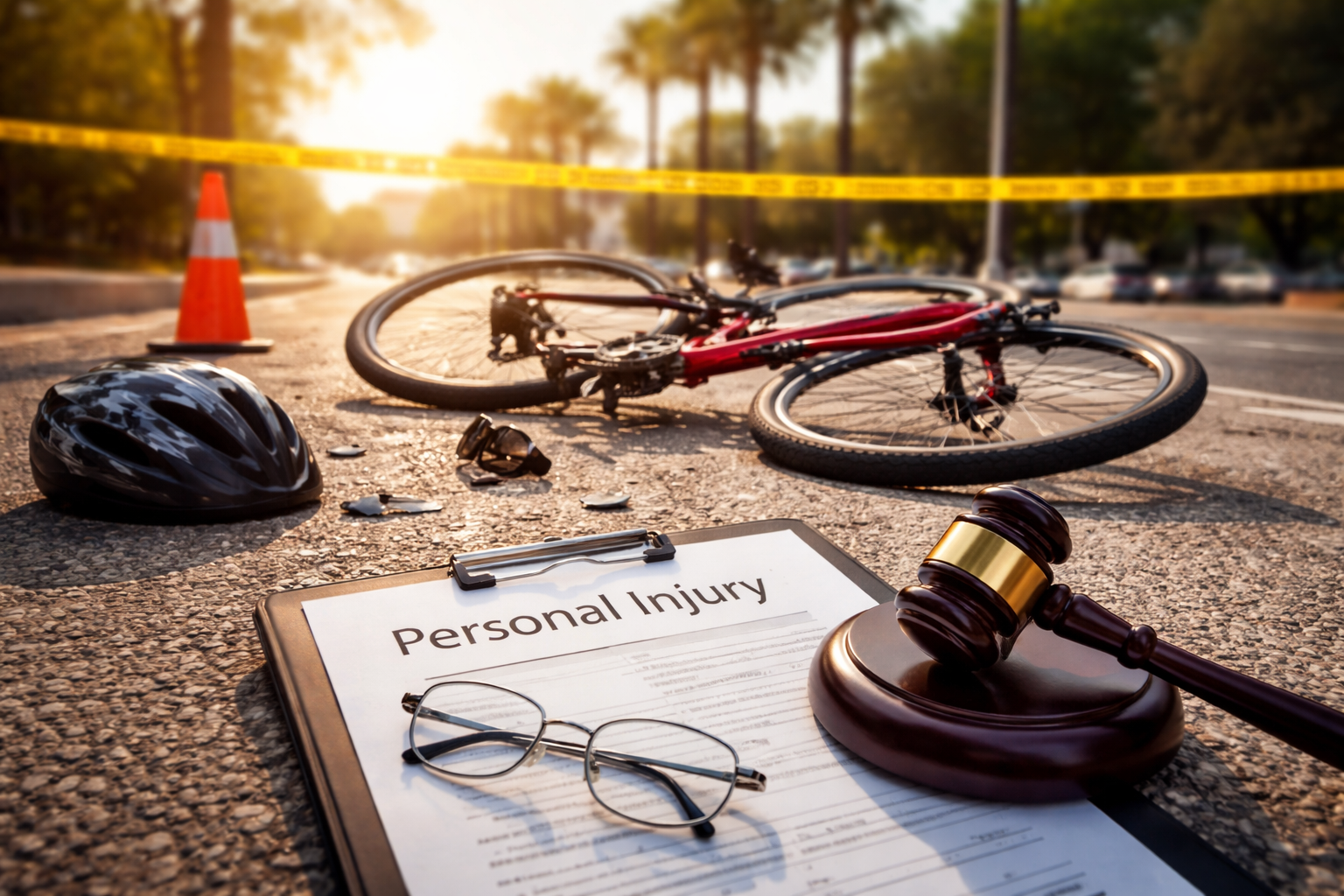



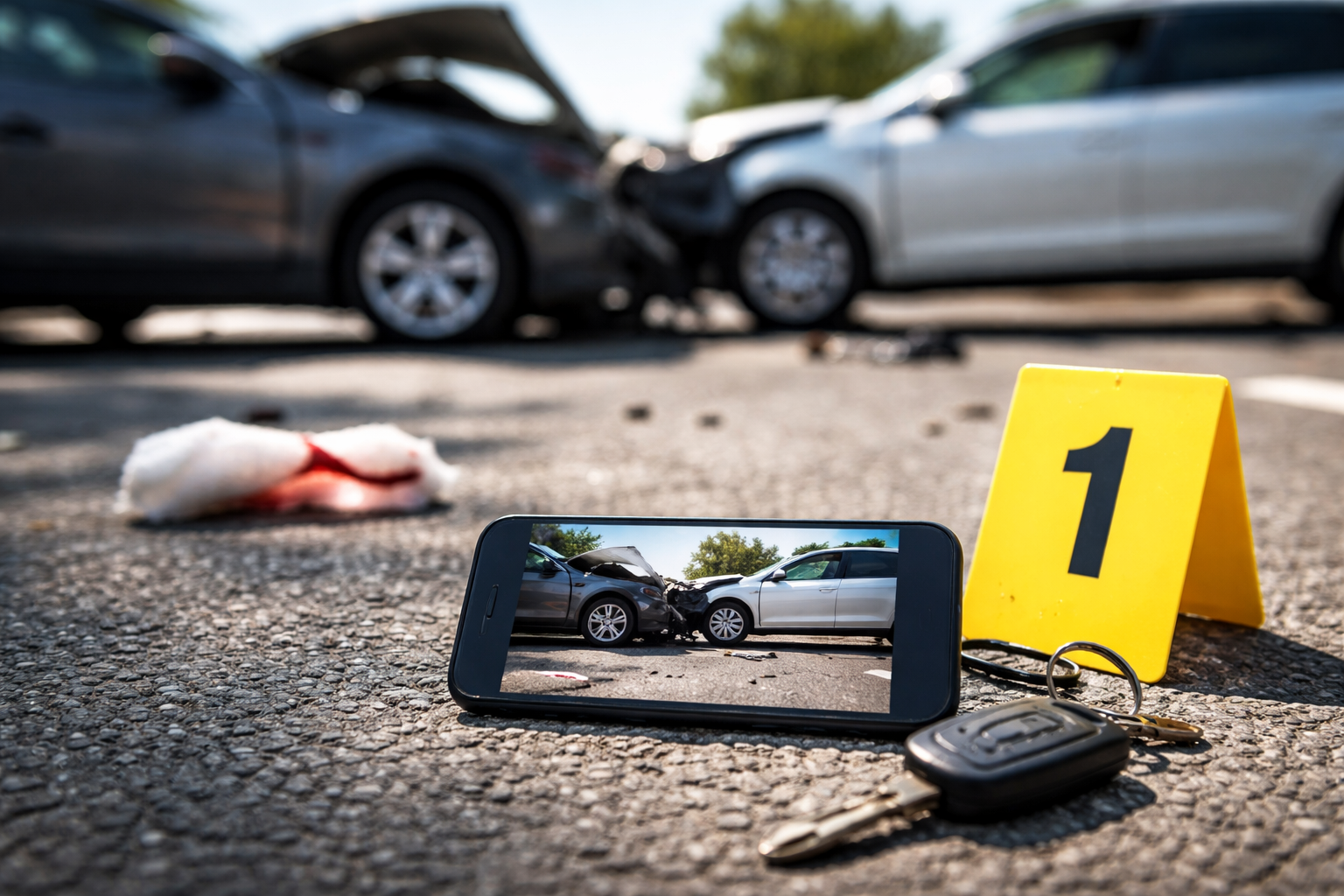
Accidents happen without warning, and the moments that follow are often confusing and overwhelming. During this critical time, photographs can quietly become one of the strongest forms of evidence available to an injured person. Understanding why photos matter can help protect your rights as you continue reading.
Why do photos matter after an accident?
Photos provide a visual record that captures details memories often miss. They show what actually happened rather than relying solely on recollections that may fade or conflict over time. This clarity can strengthen your claim and encourage insurers to take your injuries seriously.
Insurance companies and defense attorneys frequently question how an accident occurred. Clear photographs help eliminate doubt by preserving the scene exactly as it appeared. This kind of documentation can make it harder for opposing parties to dispute your version of events.
Photos also support medical records by connecting injuries directly to the accident. When injuries are visible and time stamped, it becomes easier to show that they were not preexisting. This connection is essential when you pursue fair compensation.
What should you photograph at the accident scene?
Capturing the right details matters as much as taking photos in the first place. A well documented scene provides context that explains how and why the incident occurred. These details often become more important as a case progresses.
- Vehicle positions and damage with wide and close up shots that show impact points and surrounding traffic conditions
- Road conditions and hazards such as debris, skid marks, wet pavement, broken railings, or missing signage
- Environmental factors including lighting, weather, and visibility that may have contributed to the accident
- Nearby landmarks and street signs that help establish the exact location and layout of the scene
Should you photograph your injuries immediately?
Documenting injuries as soon as possible can be critical to your claim. Early photos show the initial severity of harm before swelling subsides or bruises fade. These images often become key evidence during settlement negotiations.
Injuries change over time, and insurers may question their seriousness if they only see later medical records. Photographs taken shortly after the accident help demonstrate that the injuries were real and immediate. This visual proof can prevent claims that the injuries developed later.
Continue photographing your injuries throughout recovery. Tracking changes such as bruising progression, stitches, casts, or scarring creates a timeline that reflects the full impact of the accident. This ongoing record supports both medical and legal arguments.
How do injury photos support your medical treatment?
Doctors rely on patient descriptions, but photos can add valuable context. Images taken shortly after an accident help medical providers understand the mechanism and extent of injury. This can lead to more accurate diagnoses and treatment plans.
Photos also support consistency between your medical records and legal claim. When visual evidence aligns with physician notes, it strengthens your credibility. This alignment is often reviewed closely by insurance adjusters.
Can photos help prove fault and liability?
Photographs often play a central role in establishing who was responsible for an accident. They can reveal traffic violations, unsafe conditions, or negligent behavior. This evidence can be persuasive when fault is disputed.
For example, photos of skid marks may suggest excessive speed or sudden braking. Images of damaged property or malfunctioning equipment can point to maintenance failures. These visual clues help attorneys build a stronger liability argument.
What mistakes should you avoid when taking accident photos?
Even well intentioned documentation can lose value if handled poorly. Understanding common mistakes helps ensure your photos remain useful. Small oversights can limit how evidence is interpreted later.
- Failing to take wide shots that show the full scene and its surroundings
- Only taking one or two photos instead of capturing multiple angles and distances
- Editing or altering images which can raise questions about authenticity
- Waiting too long which allows conditions or injuries to change
How do photos compare to other forms of evidence?
Photographs are most effective when combined with other supporting materials. Each type of evidence contributes something different to your case. Understanding how they work together provides a clearer picture.
| Evidence type | What it shows | Why it matters |
|---|---|---|
| Photographs | Visual proof of injuries and scene | Captures details instantly and objectively |
| Medical records | Diagnosis and treatment history | Establishes injury severity and care needs |
| Witness statements | Personal observations | Supports or confirms what photos show |
Are smartphone photos legally acceptable?
Most personal injury cases rely heavily on smartphone photos. Courts and insurers generally accept them as long as they are clear and unaltered. Metadata such as time and date stamps can enhance credibility.
High resolution images are helpful but not required. What matters most is clarity and relevance. Photos should accurately reflect what they claim to show.
How should you store and organize your photos?
Proper storage prevents loss and confusion later. Keeping images organized makes them easier to share with medical providers and attorneys. Simple organization can save time and reduce stress.
Create folders labeled by date and subject, such as accident scene or injury progression. Back up files to a secure cloud service or external drive. This redundancy ensures photos remain accessible when needed.
Keep copies untouched and separate from any edited versions. Original files often carry more weight in legal settings. Maintaining this distinction helps protect your claim.
When should you share photos with a lawyer?
Sharing photos with an attorney early allows them to evaluate your case accurately. Attorneys can identify which images are most relevant and how to use them effectively. Early review can shape legal strategy.
Avoid posting accident or injury photos on social media. Public posts may be misinterpreted or taken out of context. It is best to let your attorney decide how images should be disclosed.
A lawyer can also advise on additional documentation to collect. This guidance helps fill gaps before evidence disappears. Early action often strengthens outcomes.
A clearer picture can change everything
Photographing your injury and accident scene is more than a precaution. It is a powerful way to protect yourself during a vulnerable time. These images help tell the truth when memories fade and disputes arise.
Strong visual evidence can reduce stress by clarifying what happened. It supports medical care, strengthens legal claims, and promotes fair treatment. Each photo becomes part of a larger story that reflects your experience.
Knapp Moss helps injury victims use evidence effectively to pursue rightful compensation. If you have questions about protecting your claim, speak with our team today for clear guidance and support.
Frequently Asked Questions
Photos are powerful but work best alongside medical records and testimony. Together, they create a stronger and more persuasive claim.
Ask a passenger, bystander, or responding officer to help if possible. You can also photograph injuries and conditions as soon as it is safe.
Yes, minor injuries can worsen over time. Early photos help show how injuries began and changed.
Photos taken later still have value, especially for injuries and property damage. However, earlier photos usually provide stronger context.
No, a smartphone is sufficient. Clear and accurate images matter more than professional quality.