


Weather and road conditions play a major role in how car crashes happen and how fault is assigned afterward. In many claims, the analysis goes beyond who hit whom and focuses on whether drivers adjusted their behavior to conditions. Understanding how weather and road factors affect fault in car crash cases can shape both liability and recovery.
How do weather conditions influence fault determinations?
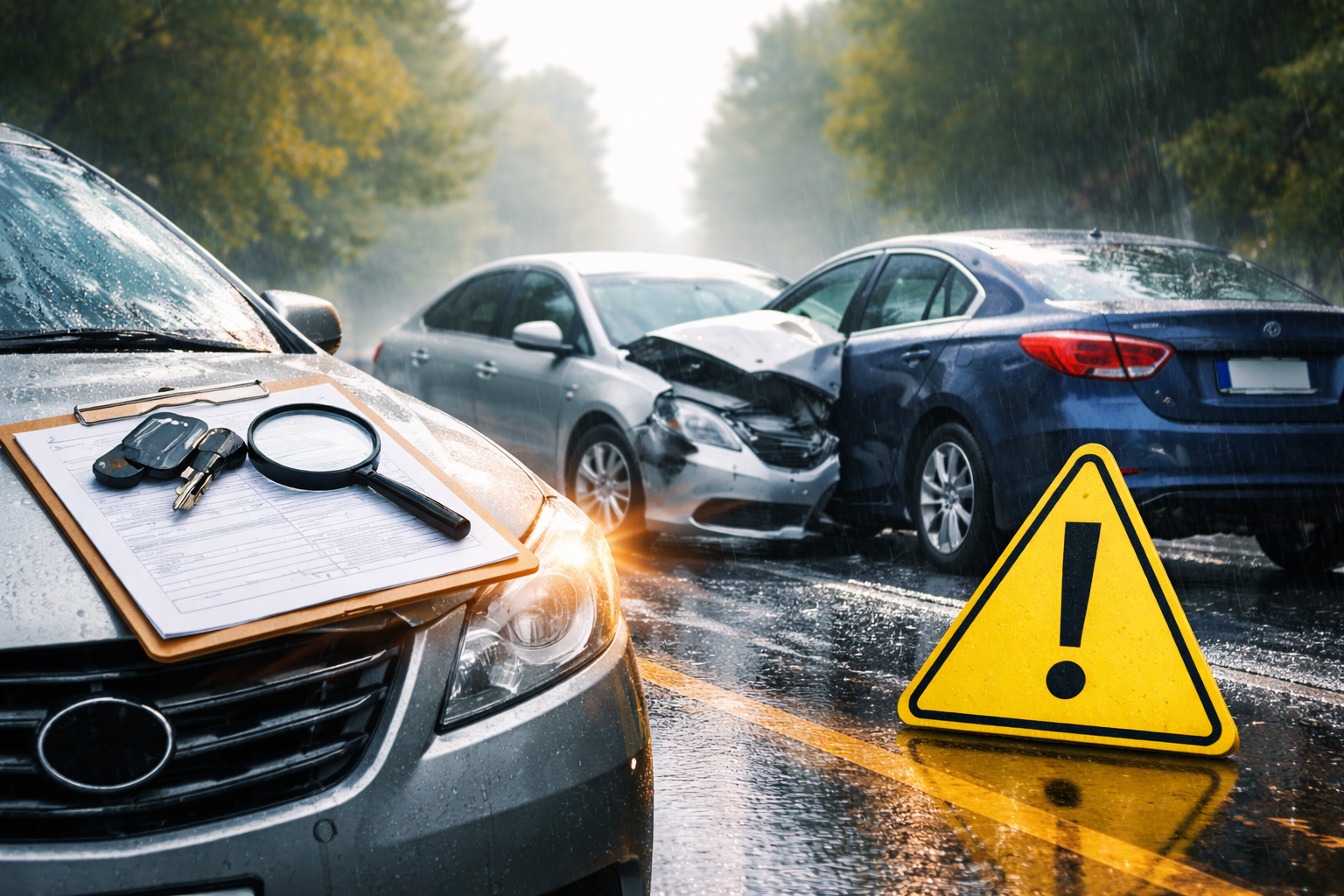
Weather affects visibility, traction, and stopping distance, all of which influence how a crash unfolds. When conditions deteriorate, drivers are expected to modify speed and driving habits. Failing to do so can shift fault even if the weather itself played a role.
Courts and insurers often examine whether a driver took reasonable precautions for the conditions present. This includes slowing down in rain, using headlights in fog, or avoiding sudden braking on icy roads. When drivers ignore these expectations, weather becomes a factor that increases liability rather than reduces it.
In some cases, multiple drivers share fault because each failed to adapt to the same conditions. Comparative negligence rules may then reduce compensation based on each party’s share of responsibility.
Does bad weather excuse a driver from liability?
Bad weather alone rarely excuses a driver from liability. The legal standard focuses on reasonable care under the circumstances, not perfect conditions. Drivers are expected to anticipate common hazards like rain, wind, or limited visibility.
If a driver claims the weather caused the crash, investigators look for evidence of safe driving behavior. Maintaining excessive speed or following too closely during a storm often undermines that defense.
There are rare situations where weather is so sudden and extreme that no reasonable driver could react in time. Even then, the analysis depends on timing, warnings, and whether the driver had an opportunity to respond.
What road conditions commonly affect fault in crashes?
Road conditions can be just as influential as weather. Poorly maintained surfaces, missing signage, or construction hazards can change how fault is allocated. These factors may also introduce additional liable parties.
Before diving into specific examples, it helps to understand how different road hazards are evaluated in crash investigations and claims.
- Wet or slick pavement that increases stopping distance and causes hydroplaning
- Potholes or uneven surfaces that disrupt vehicle control
- Loose gravel, debris, or fallen objects that create sudden hazards
- Faded lane markings or missing warning signs that confuse drivers
Each of these conditions raises questions about driver awareness and response. Investigators ask whether the hazard was visible and whether the driver had time to adjust.
Can poor road maintenance shift fault to a government entity?
In some cases, poor road maintenance can shift partial fault to a city, county, or state agency. This typically happens when a dangerous condition existed long enough that the agency should have known about it.
Claims against government entities require proof of notice and failure to act. Evidence may include maintenance records, prior complaints, or photographs showing long standing defects.
Even when a public entity shares fault, drivers are still expected to use caution. Liability may be divided if a driver ignored obvious hazards while the road authority failed to fix them.
How does visibility affect fault in low light conditions?
Visibility issues such as fog, heavy rain, smoke, or darkness change what drivers can reasonably see. Reduced visibility increases the duty to slow down and stay alert. Drivers who continue at normal speeds may be found negligent.
Headlight use, windshield condition, and following distance all come under scrutiny. A driver who fails to use headlights or clear windows in low visibility may bear greater fault.
Rear end collisions in fog or rain often hinge on whether the following driver allowed enough space to stop safely. Visibility does not excuse tailgating or inattention.
How do investigators prove weather or road related fault?
Proving fault in these cases requires more than stating that conditions were bad. Evidence is used to show how those conditions interacted with driver behavior at the time of the crash.
The following comparison highlights common types of evidence and how they are used.
| Evidence type | What it shows | Why it matters |
| Weather reports | Rain, fog, wind, or ice at the time | Confirms conditions drivers should have anticipated |
| Scene photos | Road surface, debris, signage | Shows visibility and hazard severity |
| Vehicle data | Speed, braking, stability control | Reveals whether the driver adjust appropriately |
Together, these details help reconstruct whether a driver acted reasonably under the circumstances.
Can multiple parties share fault due to conditions?
Yes, fault is often shared when weather or road conditions contribute to a crash. One driver may be speeding while another fails to signal or maintain control. Comparative negligence allows responsibility to be divided.
Insurance adjusters and courts assign percentages of fault based on conduct. A driver who loses control on ice may still recover damages if another driver was more careless.
How do insurance companies use conditions to dispute claims?
Insurers often point to weather or road conditions to argue that a crash was unavoidable or that the claimant shares blame. This strategy can lower payouts if it succeeds.
Adjusters may argue that everyone faced the same conditions and that the injured driver failed to adapt. Without strong evidence, this can lead to unfair fault assessments.
Documenting conditions, vehicle damage, and driver behavior early helps counter these arguments. Clear proof can show that conditions were manageable and that negligence caused the crash.
What should drivers do after a crash involving weather or road hazards?
Steps taken after the crash can affect how fault is determined later. Preserving evidence of conditions is especially important when the scene may change quickly.
- Photograph the roadway, debris, puddles, or ice before they disappear
- Note weather conditions, visibility, and lighting at the time of impact
- Obtain witness statements about speed and driving behavior
- Seek medical care and document injuries promptly
When does expert testimony matter in these cases?
Experts are often used when fault is disputed due to complex conditions. Accident reconstruction specialists can analyze skid marks, vehicle data, and environmental factors.
Meteorologists may explain how weather developed and whether it was foreseeable. Engineers can assess road design or maintenance failures.
Expert opinions help translate technical details into clear explanations of fault. They are especially valuable when insurers or defendants deny responsibility.
Why these cases require careful legal analysis
Weather and road condition cases involve overlapping duties between drivers and sometimes third parties. Small details can shift liability significantly.
A driver’s speed choice, braking behavior, and awareness are weighed against external hazards. The outcome depends on how these factors interact.
Because fault directly affects compensation, careful investigation and legal strategy are essential. Overlooking a condition or misinterpreting it can weaken a valid claim.
When the road gets rough, clarity matters
Crashes involving weather and road conditions are rarely straightforward. Fault depends on whether drivers adapted to hazards and whether others contributed to the danger.
Knapp Moss helps clients untangle these complex issues by investigating conditions, gathering evidence, and challenging unfair fault claims. If weather or road hazards played a role in your crash, reach out to Knapp Moss today to protect your rights and pursue fair compensation.
Frequently Asked Questions
No. Rain increases the duty to drive carefully, and drivers who fail to slow down or maintain control can still be found at fault.
They can if you are found partially responsible for not adjusting your driving. Comparative negligence may reduce but not eliminate recovery.
Responsibility may fall on a government entity if it had notice of the pothole and failed to repair it, though driver conduct is still evaluated.
Often yes. Following drivers are expected to increase distance in poor conditions, so fault frequently remains with them.
Photos, maintenance records, witness statements, and expert analysis all help show how conditions contributed to the crash.