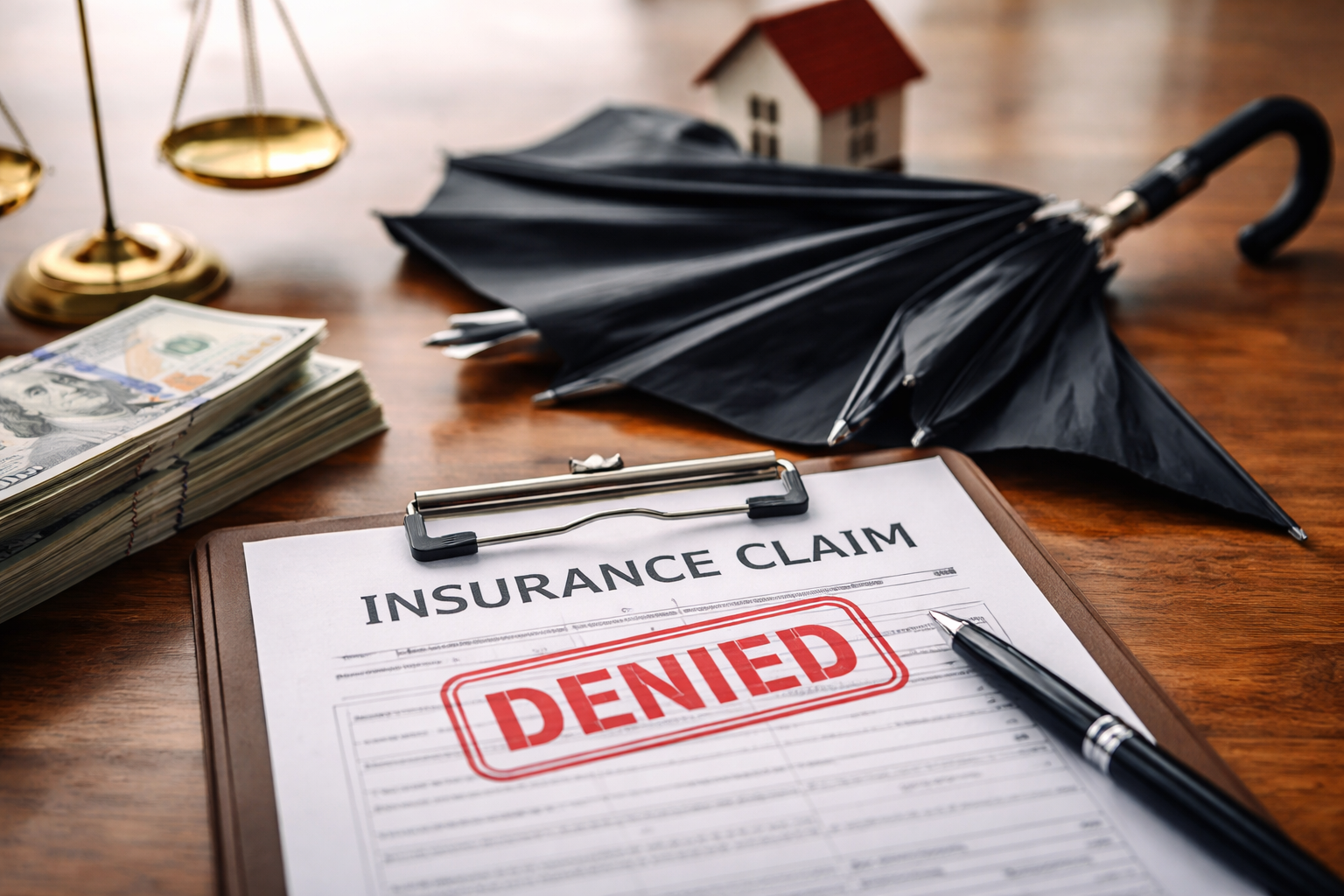




When an insurance company submits a settlement offer far below the actual value of your damages, the impact can be overwhelming. Understanding what happens when an insurance company lowballs your claim gives accident victims clarity, leverage, and confidence while navigating negotiations. Low offers delay compensation, increase stress, and force you to evaluate whether to push back or accept the risk of additional time and process.
Why do insurance companies often start with low settlement offers?
Insurance companies frequently position initial offers at the lowest end of the valuation spectrum. Their strategy centers on minimizing payouts and increasing profit margins by testing whether a claimant will accept less than the claim is worth. Adjusters rely on tactics, industry data, and negotiation leverage to justify a smaller figure.
Many victims accept the first offer because they believe it reflects a fair value or fear the uncertainty of further negotiations. Others feel pressure due to medical bills, lost income, and ongoing expenses that encourage a quick resolution. Insurers benefit from delays that add financial strain and may push victims into settling early.
Claimants who are unsure of what their claim is actually worth may find themselves at a disadvantage. Adjusters use this knowledge gap to steer conversations and frame expectations, leaving victims unaware of the full scope of compensation available.
What does a lowball insurance offer look like in practice?
Lowball offers often ignore future damages like ongoing treatment, long term recovery, or reduced earning capacity. They may not account for non economic damages such as pain, emotional distress, or loss of enjoyment. Offers can also be based on outdated or selective evidence that favors the insurer.
Some adjusters attempt to downplay medical severity by cherry picking shorter treatment plans or relying on quick discharge notes. They might challenge whether certain expenses are accident related to reduce liability. Statements like minor injury classifications or “soft tissue” labeling help justify cutting damages.
If the offer seems far lower than expected, it could reflect incomplete documentation or deliberate undervaluing. Understanding how damages are calculated helps you recognize red flags and counter effectively.
Learn More: How Insurance Adjusters Undervalue Injury Claims
What factors lead an insurance adjuster to undervalue a claim?
Many insurers use internal software and standard formulas that streamline payouts but rarely capture the unique circumstances of each claim. These estimates often prioritize economic damages and reduce subjective or long term costs. They can undervalue cases involving uncertain recovery timelines.
Insurers may also exploit procedural gaps like delayed treatment, conflicting statements, or missing evidence. They use these discrepancies to question severity and causation. Past injuries or unrelated conditions may be cited to minimize their share of responsibility.
Skilled negotiators can address these tactics by strengthening documentation, clarifying inconsistencies, and presenting medical records that reflect the reality of recovery and prognosis.
Common reasons insurers lowball claims
When examining the tactics below, understanding their goal helps you protect your claim and respond constructively.
- Testing whether the victim understands the claim’s real value
- Reducing long term exposure for future medical needs
- Exploiting financial pressure to encourage quick settlement
- Downplaying injuries or treatments based on selective records
- Highlighting minor property damage to minimize injury severity
What damages are frequently left out of lowball offers?
Insurers may present offers using narrow valuations that exclude entire categories of loss.
- Future treatment and rehabilitation
- Loss of future earning capacity
- Non economic damages and emotional distress
- Assistive devices, travel expenses, or home modifications
- Reduced quality of life and long term limitations
How to determine whether the first offer is too low
Evaluating an offer requires comparing the insurer’s proposal with documented losses.
Economic loss categories include medical bills, property repair, and lost wages. Non economic damages focus on long term impacts and quality of life. Below is a reference structure that shows how valuations differ:
| Category | Insurer’s Initial Calculation | Fair Claim Valuation |
| Medical bills | Only existing invoices | Bills and projected treatment |
| Lost wages | Immediate missed work | Extended recovery and future impact |
| Pain and suffering | Minimal allowances | Aligned with severity and duration |
Using evidence supported costs enables victims to assess whether the insurer’s position aligns with reality.
Steps to take after receiving a low settlement offer
After reviewing the offer, your next actions shape negotiations and help you regain leverage.
- Gather comprehensive medical documentation to reflect ongoing needs
- Request a detailed explanation of how the offer was calculated
- Present additional evidence like second opinions or expert insights
- Avoid accepting early offers if treatment is incomplete
- Consult an attorney to assess true claim value and respond strategically
Should you negotiate if the insurer starts with a lowball offer?
Negotiation is a normal part of injury settlements and should be expected. The initial offer rarely reflects the final value of a claim. Adjusters anticipate counteroffers and may be more flexible after reviewing stronger documentation and legal representation.
Negotiating allows you to clarify damage categories, challenge inaccurate assessments, and push for compensation aligned with long term needs. The process may involve back and forth communication, independent evaluations, and formal demands. These interactions help justify higher compensation amounts.
Delaying acceptance also allows time for injury stabilization, revealing additional medical concerns or complications. Early settlement eliminates the ability to request compensation for future needs once a release is signed.
What risks do you face if you accept a low settlement?
Accepting a low payout can create long term financial burdens. Once you agree to a settlement and sign a release, you cannot revisit the claim or request additional compensation. This can leave victims responsible for ongoing medical expenses or lost income.
Short term relief from quick funds often masks long term consequences. The cost of physical therapy, prescription medication, and specialist visits can exceed initial estimates. Underestimating recovery timelines often results in out of pocket costs.
Ignoring emotional or psychological damages can also lead to incomplete compensation. These elements often play a critical role in personal injury recovery and financial support.
When should you consider filing a lawsuit?
A lawsuit may be necessary when negotiations stall and the insurer refuses to make a reasonable offer. Litigation can pressure insurers to reevaluate their stance, disclose additional information, and consider higher settlements. Filing does not guarantee a trial but opens new avenues for accountability.
Attorneys can gather evidence through discovery, interview witnesses, and present expert evaluations. This process builds a stronger case and helps quantify damages more accurately. Lawsuits also deter insurers from using delay tactics that pressure victims into accepting less.
How can legal guidance help you address a lowball offer?
Experienced attorneys understand valuation formulas, negotiation strategies, and insurer tactics. They guide victims through documentation, communication, and decision making. Legal representation often changes the tone of negotiations and can lead to more favorable outcomes.
Attorneys also protect you from statements or actions that could weaken your claim. They manage deadlines, legal requirements, and settlement terms. Their involvement demonstrates serious intent and strengthens leverage.
Lawyers can calculate long term damages more accurately, ensuring future medical care and financial needs are considered.
Your path forward when insurers undervalue your claim
Lowball settlement offers create confusion, frustration, and financial uncertainty. Recognizing the strategies insurers use and understanding the scope of your damages empowers you to negotiate more effectively. Delaying acceptance until injuries stabilize and evidence is complete can prevent long term losses.
With experienced legal support, you can counter low offers, assess fair compensation, and take decisive action when negotiations stall. The attorneys at Knapp Moss can evaluate your case, communicate with insurers, and help you secure a settlement that reflects the true scope of your damages.
Contact Knapp Moss today for dedicated advocacy.
Frequently Asked Questions
Insurers minimize payouts by starting with the lowest possible figure to test whether victims understand their claim value. This strategy encourages early acceptance and avoids future medical or financial damages.
You can compare the offer against medical bills, future treatment needs, lost wages, and non economic damages. If the payout does not reflect long term costs, it may be undervalued.
Negotiating alone is possible, but insurers often rely on your lack of experience to maintain low payouts. Legal representation helps you counter their tactics and strengthen your claim.
Declining a lowball offer can extend negotiations, but the long term value of a fair settlement typically outweighs initial delays. Rushing into a release can lead to significant future financial burdens.
If talks stall, filing a lawsuit may become necessary. Legal action provides additional tools to gather evidence, pressure insurers, and pursue higher compensation.