


Pre-litigation demands play a major role in shaping personal injury settlements because they set the foundation for negotiations, outline damages and present evidence in a structured way. Understanding how pre-litigation demands affect personal injury settlements allows injured victims to navigate negotiations with clarity and confidence.
What is a pre-litigation demand and why does it matter?
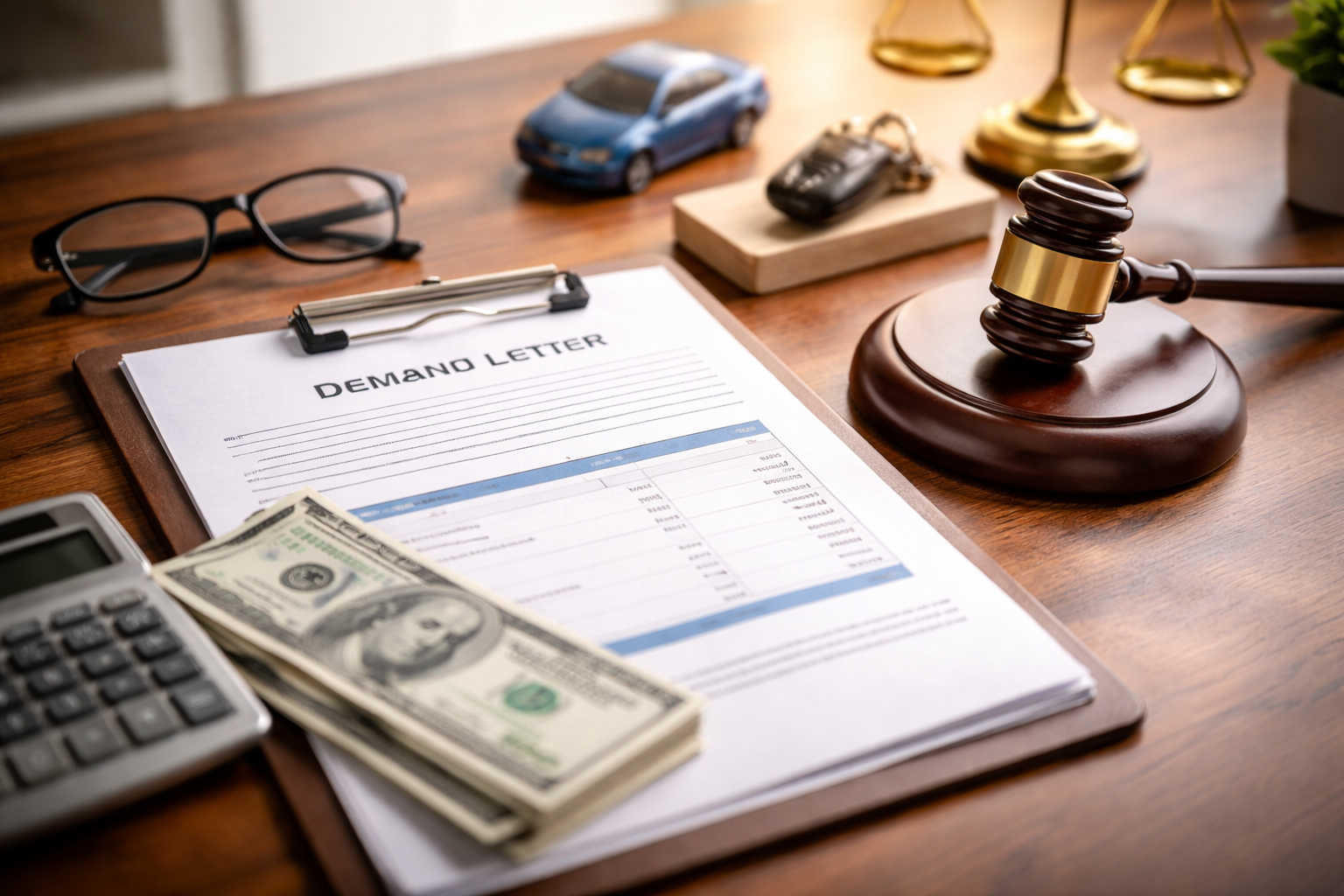
A pre-litigation demand is a formal letter submitted to the insurance company outlining injuries, damages and liability. It usually includes medical records, bills and a description of how the accident occurred. This letter helps frame the negotiation process before a lawsuit is filed, giving both sides a chance to explore resolution early.
A strong demand can influence settlement outcomes because it sets expectations for compensation. When carefully drafted, it highlights the severity of injuries and shows evidence of negligence. If the insurer sees the claimant is well prepared and supported by documentation, it may encourage a higher initial offer to avoid litigation.
Pre-litigation demands also benefit injured victims by avoiding immediate courtroom expenses. Negotiating early may speed up the resolution timeline, reduce stress and increase the chance of a fair settlement before legal conflict escalates.
What should be included in an effective pre litigation demand?
A demand letter should include specific information, and each component strengthens the claim.
- Clear liability explanation supported by police reports or witness statements.
- Detailed medical treatment records, bills and future care estimates.
- Proof of lost wages, diminished earning capacity or employment impact.
When all the necessary components are included, the insurer gains a full view of the losses. This increased clarity limits room for dispute and promotes more productive negotiation. It also shows the seriousness of the claim, signaling to the insurer that lowball offers may not be accepted readily.
How does evidence shape the strength of a demand?
Evidence elevates a pre litigation demand from a simple request to a compelling narrative. Medical records demonstrate injury severity, and photographs of the accident scene show the mechanics of the event, which helps establish liability. Wage documentation demonstrates the financial toll and its long term impact.
The quality of evidence influences how confidently the insurer can challenge or accept claims. When a claimant gathers essential documents early, it reduces delays and prevents insurers from questioning the legitimacy of losses. This preparation can shorten negotiation time and improve leverage when speaking with adjusters.
Strong evidence can also encourage insurers to calculate future damages more accurately. Future medical expenses, rehabilitation needs and ongoing pain considerations require credible documentation to be included meaningfully in a settlement.
How do pre-litigation demands impact negotiation tone?
A professional and organized demand letter helps maintain a constructive negotiation tone. Insurance adjusters may respond more positively to claimants who demonstrate reasonableness and documentation rather than hostility or unsupported assertions. A calm tone helps facilitate dialogue and reduce adversarial tension.
When the tone remains professional, negotiations tend to progress faster and with less resistance. It can help move both parties toward common ground, possibly avoiding immediate litigation. Tone also affects how insurers evaluate risk and potential trial outcomes.
In contrast, vague or aggressive demands can stall discussions. If the insurer views the claimant as uncooperative or lacking evidence, it may counter with lower offers or request more documentation, adding delays and frustration.
What factors can influence settlement value during pre-litigation?
Multiple factors influence settlement calculations during the demand stage, and each can shift leverage.
- Severity of the injury and long term prognosis.
- Strength of liability evidence and comparative fault.
- Insurance policy limits and coverage constraints.
The combination of these factors determines negotiation boundaries. If liability is clear and damages are well documented, insurers may fear an adverse trial outcome and offer higher settlements. Conversely, disputed liability or limited coverage may require more detailed justification to raise the offer.
How insurers evaluate pre-litigation demands
Insurers evaluate demands using internal tools and settlement models that predict potential trial outcomes. Adjusters review medical reports, photographs and witness statements to identify weaknesses and strengths. They then compare the claim to prior cases to calculate likely settlement ranges.
They also analyze claimant behavior. If the injured party appears organized and represented by counsel, insurers may prepare for potential litigation and weigh the cost of an early settlement versus trial. This mindset may encourage higher offers when evidence is strong.
Insurers also evaluate the potential for pain and suffering damages. Subjective damages often require compelling narratives supported by medical reports, expert statements or personal impact descriptions.
Below is a simplified comparison of how different demand strengths can affect negotiation. The examples show typical outcomes rather than guaranteed results.
| Demand Quality | Negotiation Speed | Likely Offer Range |
| Strong and well documented | Faster settlement | Higher initial and final offers |
| Moderate evidence | Moderate pace | Mid range offers |
| Weak or unsupported | Slow and disputed | Low offers or denial |
What mistakes weaken pre litigation demands?
Certain pitfalls can undermine a demand and reduce potential settlement value.
- Omitting crucial evidence like medical records or wage documentation.
- Making unrealistic compensation expectations without support.
- Submitting demands too early before the full extent of injuries is known.
When mistakes are made, insurers may question credibility or undervalue losses. This can result in delays, requests for more documentation or significantly lower offers. Claimants might then require litigation to correct the undervaluation, adding stress and cost.
How pre-litigation demands encourage early settlement
Clear demands simplify the evaluation process. When insurers can assess liability, damages and future costs efficiently, they may prioritize settlement rather than risk unpredictable trial outcomes. Prepared claims place pressure on the insurer to negotiate in good faith.
Early settlement offers can reduce the time injured victims spend waiting for compensation. This is important when medical bills, wage loss and daily expenses add financial burdens. For many claimants, a fair settlement early in the process prevents hardship.
Pre litigation communication also demonstrates transparency. It shows willingness to negotiate while holding firm on evidence based claims.
Can pre-litigation demands improve trial outcomes if settlement fails?
Yes, a well crafted demand creates a record of evidence and damages. Should the case progress to litigation, this documentation serves as an early foundation that attorneys can expand on. This can also show the court that the claimant acted in good faith during negotiation.
An effective demand can weaken insurer arguments at trial. If an insurer ignored strong evidence or refused fair compensation, it may negatively influence a jury. Attorneys use demand records to argue that the insurer undervalued legitimate losses.
Demand documentation also helps expert witnesses and medical professionals support claims.
Final thoughts: What does all this mean for injured victims?
Pre-litigation demands affect personal injury settlements by shaping negotiation tone, influencing insurer evaluations and setting compensation expectations. The strength and organization of a demand often dictate how quickly and fairly a case resolves.
Victims benefit from careful preparation because it increases leverage. Insurance companies respond differently when documentation is persuasive and supported by evidence. A well crafted demand increases the likelihood of a fair settlement without prolonged litigation.
Navigating the demand process requires experience, evidence gathering and strong communication. Knapp Moss helps injured victims build effective pre litigation demands that strengthen settlement outcomes while protecting rights and interests.
For guidance and support, contact Knapp Moss today.
Frequently Asked Questions
Most insurers take several weeks to review documentation and assess damages. The timeline may vary depending on evidence complexity and communication responsiveness.
They are not always required, but they are recommended in most personal injury cases. A strong demand can speed up negotiations and may prevent litigation entirely.
It is often better to wait until the full extent of injuries is known. This ensures settlement value accounts for future treatment, rehabilitation or long term limitations.
Yes, when supported with medical evidence and narrative descriptions. Clear documentation helps quantify non economic losses and influence insurer valuation.
Yes, rejection does not end negotiation. It typically reveals disputes that can be addressed or clarified before moving forward.