



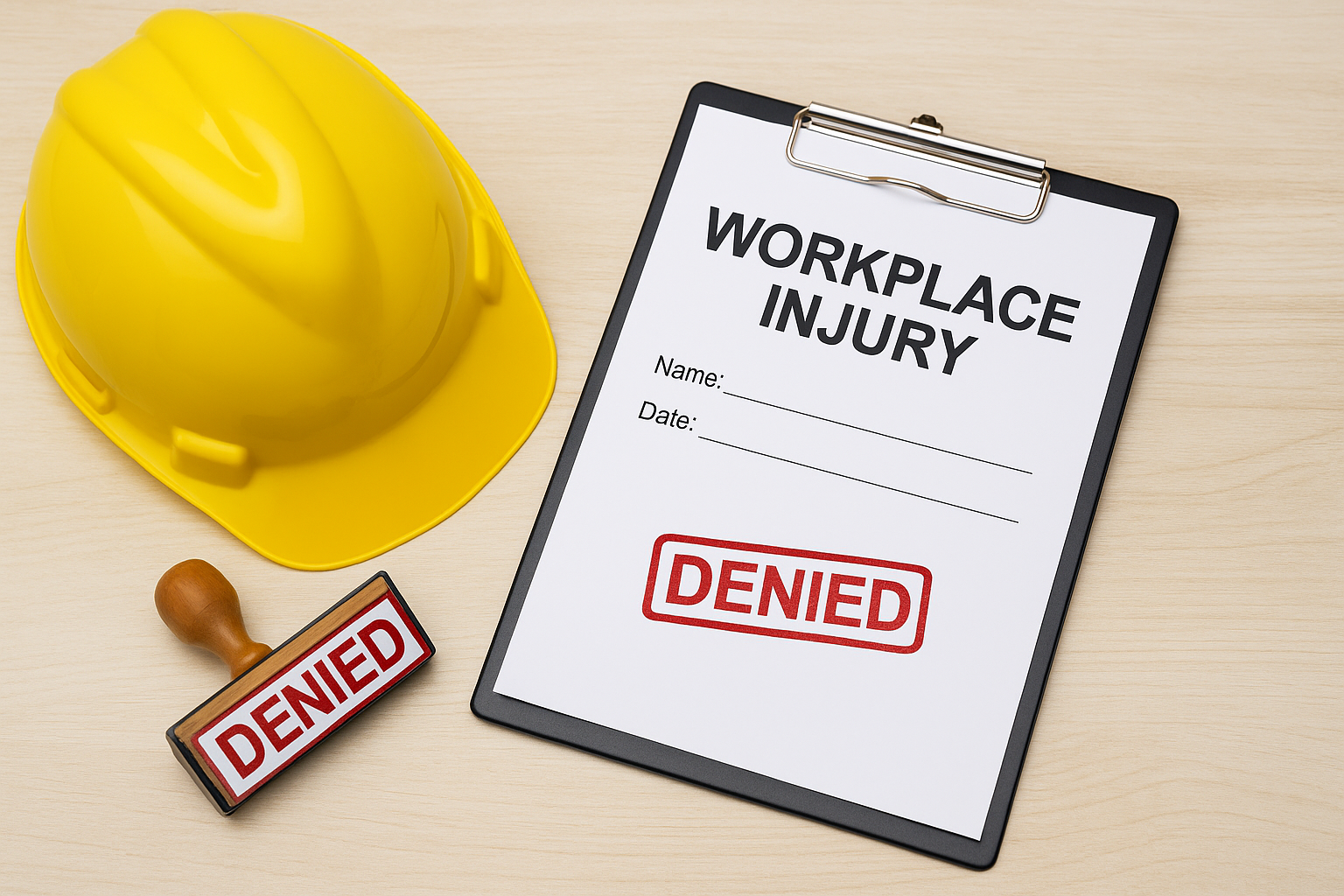
When an employee gets hurt on the job, the law sets clear expectations for what happens next. This guide on what happens if an employer refuses to report a workplace injury explains employee rights, legal consequences, and the steps injured workers can take to protect their claim and their livelihood.
Why are employers required to report workplace injuries?
Workplace injury reporting laws exist to protect employees and ensure prompt medical care and wage benefits. When injuries go unreported, workers may face delayed treatment, denied benefits, or pressure to absorb costs themselves.
In California, employers must document work-related injuries and submit required forms to their workers’ compensation insurance carrier. These obligations apply even if the employer questions fault or injury severity.
Failure to report does not eliminate an employer’s responsibility. Instead, it can create legal exposure, penalties, and disputes that ultimately harm both the worker and the business.
What does it mean when an employer refuses to report an injury?
An employer refusal may take many forms. Some employers openly decline to file paperwork, while others quietly delay or discourage reporting until deadlines pass.
Common scenarios include claims that the injury is minor, accusations that it happened off the clock, or suggestions that reporting will cause job consequences. Each tactic interferes with lawful workers’ compensation procedures.
Even informal refusals can violate labor laws. Employers cannot substitute their own judgment for legally required reporting steps.
Why might employers avoid reporting workplace injuries?
Some employers worry about higher insurance premiums, regulatory scrutiny, or damage to safety records. Others may misunderstand reporting requirements or incorrectly believe certain injuries do not qualify.
In less defensible cases, employers may intentionally suppress claims to avoid liability or discourage future reports. This behavior can escalate into retaliation or wrongful termination concerns.
Regardless of motive, avoiding injury reporting rarely benefits employers in the long run and often worsens legal outcomes.
What rights do injured employees have if an injury is not reported?
Even when an employer refuses to cooperate, the law still protects injured workers and preserves their ability to pursue benefits and legal remedies.
- The right to medical treatment: Employees may seek immediate medical care for work-related injuries, regardless of whether an employer files a report.
- The right to file a workers’ compensation claim independently: Workers can request claim forms and submit them directly to the insurance carrier or state agency without employer involvement.
- The right to wage replacement benefits: Temporary disability payments may still be available if the injury prevents an employee from working.
- The right to protection from retaliation: Employers may not legally punish, threaten, or terminate an employee for reporting an injury or seeking benefits.
- The right to legal representation: Injured workers may consult a workplace injury attorney to address reporting delays, denied claims, or employer misconduct.
- The right to document and preserve evidence: Employees can gather medical records, witness statements, and communications to support their claim if disputes arise.
What steps should you take if your employer refuses to report your injury?
When reporting is delayed or refused, taking proactive steps can preserve your claim and strengthen your position.
- Seek medical care right away: Get treatment as soon as possible and clearly state that the injury occurred at work.
- Document the injury and circumstances: Write down when, where, and how the injury happened, including witness names and job duties.
- Notify your employer in writing: Provide written notice of the injury to create a record, even if verbal reporting was ignored.
- Request a workers’ compensation claim form: Ask for the required form and keep a copy of the request for your records.
- File the claim without employer assistance: Submit the claim directly to the insurance carrier or state agency if the employer refuses to act.
- Preserve all communications and records: Save emails, messages, medical reports, and work schedules that support your claim.
- Consult a workplace injury attorney: Legal guidance can help address delays, retaliation, or denied benefits tied to employer noncompliance.
Can you report a workplace injury without your employer?
Yes. Employees can file workers’ compensation claims independently if an employer refuses to cooperate. In California, injured workers may submit claim forms directly to insurers or the Division of Workers’ Compensation.
Medical providers can also initiate documentation that triggers the claims process. This ensures that treatment and benefits are not solely dependent on employer compliance.
Independent reporting does not weaken a claim and may strengthen credibility if disputes arise.
What penalties can employers face for failing to report injuries?
Failing to report a workplace injury can trigger serious legal and financial consequences, particularly when the violation is intentional or repeated. Here are some of the common penalties:
- Monetary fines imposed by state labor or workers’ compensation agencies
- Administrative penalties for noncompliance with reporting requirements
- Increased workers’ compensation insurance premiums
- Loss of favorable insurance classifications or coverage restrictions
- Regulatory audits or investigations into workplace practices
- Exposure to retaliation or wrongful termination claims
- Civil penalties for repeated or willful violations
- Potential criminal consequences in severe or ongoing cases
How does a failure to report affect your workers’ compensation benefits?
Delayed reporting can slow benefit approval, create disputes over injury timing, and complicate medical coverage. However, refusal alone does not eliminate eligibility.
Workers may still qualify for medical treatment, disability benefits, and wage replacement once claims are properly filed. Documentation and timing become especially important in these cases. Legal guidance can help overcome employer-caused delays.
What if your employer claims the injury was not work-related?
Disputes over causation are common when employers resist reporting. Employers may argue that injuries occurred off duty or stem from preexisting conditions.
Medical records, witness statements, and job activity documentation often clarify causation. Workers’ compensation systems are designed to resolve these disagreements through evidence, not employer opinion. Employees are not required to prove fault, only work-related connection.
Is refusing to report an injury considered retaliation?
Refusal alone may not qualify as retaliation, but it often accompanies retaliatory behavior. Retaliation includes demotion, termination, reduced hours, or threats tied to injury reporting. California law prohibits adverse actions against employees who report workplace injuries or seek benefits. Retaliation claims may exist alongside workers’ compensation claims. Documenting employer conduct is essential when retaliation is suspected.
How do workers’ compensation and personal injury claims differ in these cases?
Most workplace injuries are handled through workers’ compensation, which does not require proving employer negligence. Benefits are limited but more predictable.
In rare cases involving intentional harm or third-party negligence, separate personal injury claims may exist. Employer misconduct alone does not usually convert a claim into a lawsuit.
Understanding claim boundaries helps set realistic expectations.
Workers’ compensation vs. other legal options
The differences between workers’ compensation claims and other legal remedies can affect how an injury dispute proceeds.
| Legal path | What it covers | When it applies |
|---|---|---|
| Workers’ compensation | Medical care and wage benefits | Most workplace injuries |
| Personal injury claim | Full damages | Third-party or extreme misconduct |
| Retaliation claim | Job-related losses | Employer punishes injury reporting |
Each option serves a distinct purpose and may overlap depending on circumstances. Learn more about workers’ compensation vs. personal injury claim.
What evidence helps prove your injury occurred at work?
Clear documentation can counter employer resistance and strengthen your claim.
- Medical records describing work-related causes
- Witness statements from coworkers
- Incident reports or emails
- Timecards and job assignments
- Photographs of the injury or worksite
Consistent records reduce disputes and accelerate claim resolution.
Should you hire a lawyer if your employer refuses to report your injury?
Legal representation can be especially valuable when employers delay, deny, or retaliate. Attorneys can file claims, gather evidence, and communicate with insurers on your behalf. A lawyer can also assess whether additional claims apply, such as retaliation or wage violations. Early guidance often prevents costly mistakes. Most workers’ compensation attorneys offer free consultations.
How long do you have to report a workplace injury?
California law sets deadlines for notifying employers and filing claims, though exceptions may apply. Delays caused by employer refusal do not automatically bar claims.
Prompt action is still critical. The sooner injuries are documented, the easier it is to protect benefits and establish causation.
An attorney can clarify timelines based on individual facts.
What should you avoid doing after an employer refuses to report
Certain missteps can weaken your claim and make it harder to secure the benefits you are entitled to receive.
- Delay medical treatment for a work-related injury
- Rely only on verbal promises or informal assurances
- Pay medical expenses out of pocket without documentation
- Fail to document the injury and employer communications
- Miss claim filing or reporting deadlines
- Assuming a refusal means you are not eligible for benefits
Final thoughts on protecting yourself after a workplace injury
When an employer refuses to report a workplace injury, the situation can feel overwhelming and isolating. Understanding your rights restores control and helps ensure you receive the care and benefits you deserve.
These cases often involve more than paperwork. They can reveal deeper issues related to compliance, retaliation, or insurance disputes that require legal insight.
Knapp Moss helps injured workers navigate employer resistance, protect their claims, and pursue full benefits under California law.
Contact Knapp Moss today to discuss your options and take the next step toward protecting your rights.
Frequently Asked Questions
Seek medical care immediately and document how the injury happened at work. You can request and submit workers’ compensation forms yourself if needed.
No. Terminating or punishing an employee for reporting an injury may constitute illegal retaliation under California law.
No. Benefits may be delayed, but refusal alone does not eliminate eligibility once a claim is properly filed.
Yes. Even minor injuries should be reported because symptoms can worsen and delayed reporting may complicate claims.
Initial treatment rules apply, but emergency care and certain provider options may still be available depending on circumstances.