



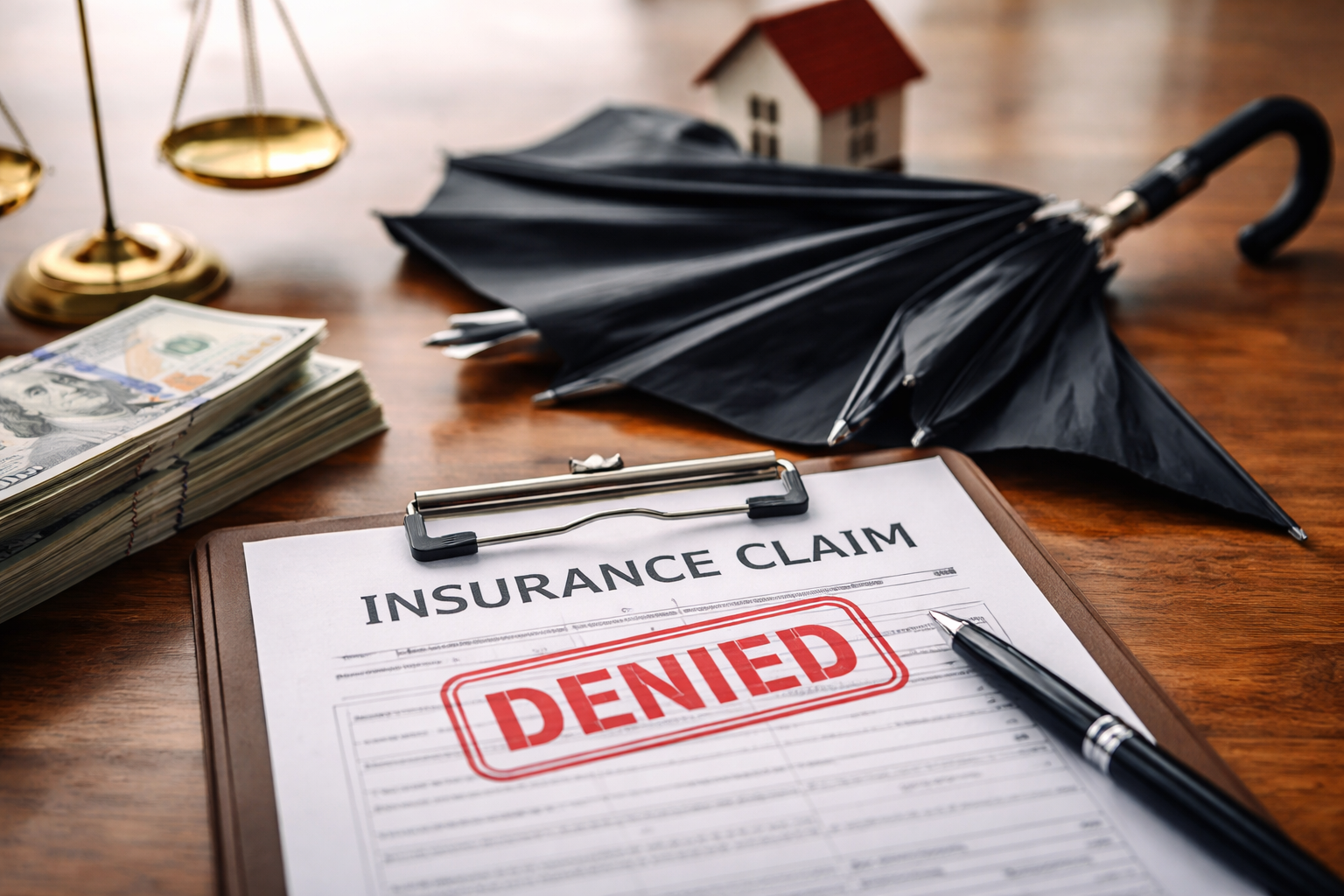
After a serious accident, you rely on insurance benefits to cover medical care, lost income, and daily expenses while you recover. When an insurance company acts unfairly by delaying, denying, or undervaluing your injury claim, that misconduct can deepen your stress and slow your healing. Understanding bad faith insurance practices helps injured victims recognize these tactics early.
What does bad faith insurance really mean?
Bad faith insurance refers to actions by an insurer that are dishonest, unfair, or intentionally harmful to a policyholder. It occurs when an insurance company fails to meet its legal duty to handle claims fairly and in good faith. These practices often leave injured individuals without the financial support they expected, which is why understanding them matters.
Insurance policies are contracts that require insurers to act reasonably and promptly. When a company violates this duty, it may be held legally responsible for the harm caused. Knowing this definition helps you recognize whether your insurer’s behavior crosses the line and encourages you to keep reading for specific examples.
Why do insurance companies engage in bad faith practices?
Insurance companies are businesses focused on managing risk and minimizing payouts. In some cases, this pressure leads adjusters or insurers to prioritize cost savings over fairness. These motivations can result in tactics designed to discourage claimants from pursuing full compensation.
While not every denied or delayed claim is bad faith, patterns of unreasonable behavior raise red flags. Understanding the reasons behind these practices helps you identify when an insurer’s conduct may be improper and why awareness is critical as your claim moves forward.
What are common examples of bad faith insurance practices?
Bad faith can take many forms, some subtle and others more obvious. These actions often appear during the claims process when policyholders are most vulnerable. Recognizing these common examples helps you spot issues early and stay informed as your case develops:
- Unreasonable delays in processing or paying a claim that create financial pressure on the policyholder.
- Denying a valid claim without conducting a proper investigation or reviewing all evidence.
- Misrepresenting policy terms to avoid paying benefits that are clearly covered.
- Offering far less than the claim is worth to force a quick and unfair settlement.
- Failing to communicate or respond to calls, emails, or submitted documents in a timely manner.
How does bad faith differ from a simple claim dispute?
Not every disagreement with an insurer qualifies as bad faith. Sometimes claims are denied because of legitimate coverage questions or missing information. The key difference lies in whether the insurer acted reasonably and honestly during the process.
Bad faith involves intentional or reckless conduct, not simple mistakes. Understanding this distinction helps you evaluate your situation more accurately and prepares you to explore your options if the insurer’s actions seem unjustified.
How can bad faith insurance practices impact your injury claim?
When insurers act in bad faith, the consequences often extend beyond financial stress. Delays or denials can prevent you from accessing medical care, paying bills, or moving forward with recovery. This added burden can worsen the overall impact of an accident.
Bad faith practices may also weaken your negotiating position. Insurers often hope claimants will give up or accept less out of frustration. Knowing how these tactics affect your claim empowers you to remain patient and continue reading about how to protect yourself.
What rights do policyholders have under California law?
California law requires insurers to act fairly and promptly when handling claims. Policyholders have the right to a reasonable investigation, clear communication, and timely payment of valid claims. Violations of these duties can expose insurers to additional legal consequences.
In bad faith cases, policyholders may recover more than the original claim value. Understanding your legal rights strengthens your position and helps you recognize when it may be time to seek legal guidance.
What damages can be recovered in a bad faith insurance claim?
When bad faith is proven, compensation may extend beyond basic policy benefits. The law allows recovery for additional harm caused by the insurer’s misconduct. Knowing what damages may be available clarifies why these claims are taken seriously. Potential damages may include:
- The full value of the original insurance benefits owed.
- Compensation for financial losses caused by delays or denials.
- Emotional distress damages in certain situations.
- Punitive damages when the insurer’s conduct is especially harmful.
How does bad faith insurance affect settlement negotiations?
Bad faith conduct often complicates settlement discussions. Insurers may refuse reasonable offers or stall negotiations to pressure claimants into accepting less. This approach can prolong cases and increase stress for injured individuals.
However, evidence of bad faith can shift leverage back to the policyholder. When insurers know their conduct may be scrutinized, they may become more willing to negotiate fairly. Staying informed about this dynamic can help you remain confident throughout the process.
What steps should you take if you suspect bad faith?
If you believe your insurer is acting unfairly, documentation is essential. Keeping records of communications, delays, and denied requests helps establish a clear pattern of conduct. This information can be critical if legal action becomes necessary.
It is also important to act promptly. Waiting too long may limit your options or weaken your claim. Understanding these steps now prepares you to protect your interests as your case continues.
How can an attorney help with a bad faith insurance claim?
An experienced attorney can identify whether an insurer’s actions meet the legal standard for bad faith. They review policy language, claim handling practices, and communication records to build a strong case. This guidance helps ensure your rights are fully protected.
Legal representation also shifts the burden back to the insurer. When claims are backed by legal support, insurers are more likely to take them seriously. Learning how attorneys approach these cases helps you see the value of professional assistance.
Bad faith versus fair claim handling at a glance
Understanding the contrast between fair practices and bad faith makes it easier to evaluate your experience. The comparison below highlights key differences that often matter most to policyholders.
| Fair claim handling | Bad faith insurance practices | Impact on you |
|---|---|---|
| Timely investigation and communication | Unreasonable delays or silence | Financial stress and uncertainty |
| Honest interpretation of policy terms | Misrepresentation of coverage | Reduced or denied benefits |
| Reasonable settlement offers | Lowball offers or unjustified denials | Prolonged disputes and frustration |
Why bad faith insurance claims are taken seriously
Bad faith insurance practices undermine trust in the entire insurance system. Laws exist to hold insurers accountable and discourage unfair conduct. These rules protect not only individual claimants but also the broader public.
By understanding why these claims matter, you are better equipped to recognize their importance in your own situation. This awareness encourages you to stay engaged and informed as you move toward resolution.
When persistence makes the difference
Insurance companies often rely on claimants giving up. Persistence backed by knowledge can disrupt that strategy. Staying organized and informed sends a clear message that you will not accept unfair treatment.
This persistence can lead to better outcomes over time. Understanding how your actions influence the process helps you stay motivated and continue learning about your options.
Turning unfair treatment into accountability
Bad faith insurance practices can feel overwhelming, especially during recovery from an injury. Knowing your rights and recognizing improper conduct helps transform frustration into action. Awareness is the first step toward accountability and fair treatment.
Knapp Moss helps injured clients challenge unfair insurance practices by holding insurers accountable under California law. If you believe your insurer is acting in bad faith, Knapp Moss can evaluate your case and fight for the compensation you deserve, so contact Knapp Moss today for a free consultation.
Frequently Asked Questions
Bad faith occurs when an insurer unreasonably delays, denies, or undervalues a valid claim. It involves dishonest or unfair conduct rather than simple mistakes.
Yes, bad faith laws apply to many types of insurance policies. Any insurer that fails to act fairly and honestly may be held accountable.
You generally do not need to prove intent, but you must show the insurer acted unreasonably. Evidence of reckless or unfair conduct often supports a bad faith claim.
Yes, successful bad faith claims may allow recovery beyond policy limits. This can include additional damages caused by the insurer’s conduct.
Time limits depend on the facts and type of claim involved. Speaking with an attorney early helps ensure deadlines are not missed.