


Proving a personal injury claim requires strong and organized documentation, which is why understanding what evidence you need to prove a personal injury case is essential. Courts and insurance companies rely on detailed proof to confirm how the accident happened, who is responsible, and how the injuries affect your life. A well supported claim not only strengthens your position but also helps ensure that you pursue the full value of your damages.
Why does evidence matter in a personal injury claim?
Evidence establishes the facts of the case. It provides a clear picture of what occurred and eliminates speculation. Insurance adjusters and defense attorneys often question liability or injury severity, which makes strong documentation vital.
Evidence also helps demonstrate the timeline of events. It shows when the accident occurred, how quickly you sought treatment, and how your condition progressed. This can become especially important when the defense attempts to argue that your injuries were pre existing.
Finally, evidence supports the financial impact of the accident. Bills, records, and expert reports help quantify medical expenses, lost wages, and long term care needs. Without these materials, compensation can be significantly reduced.
What types of evidence are most important in a personal injury case?
Each category of evidence plays a specific role in building a clear and convincing case for liability and compensation.
1. Medical documentation that proves your injuries
Accurate and consistent medical records create the foundation of your claim and show how the accident directly affected your health and long term recovery.
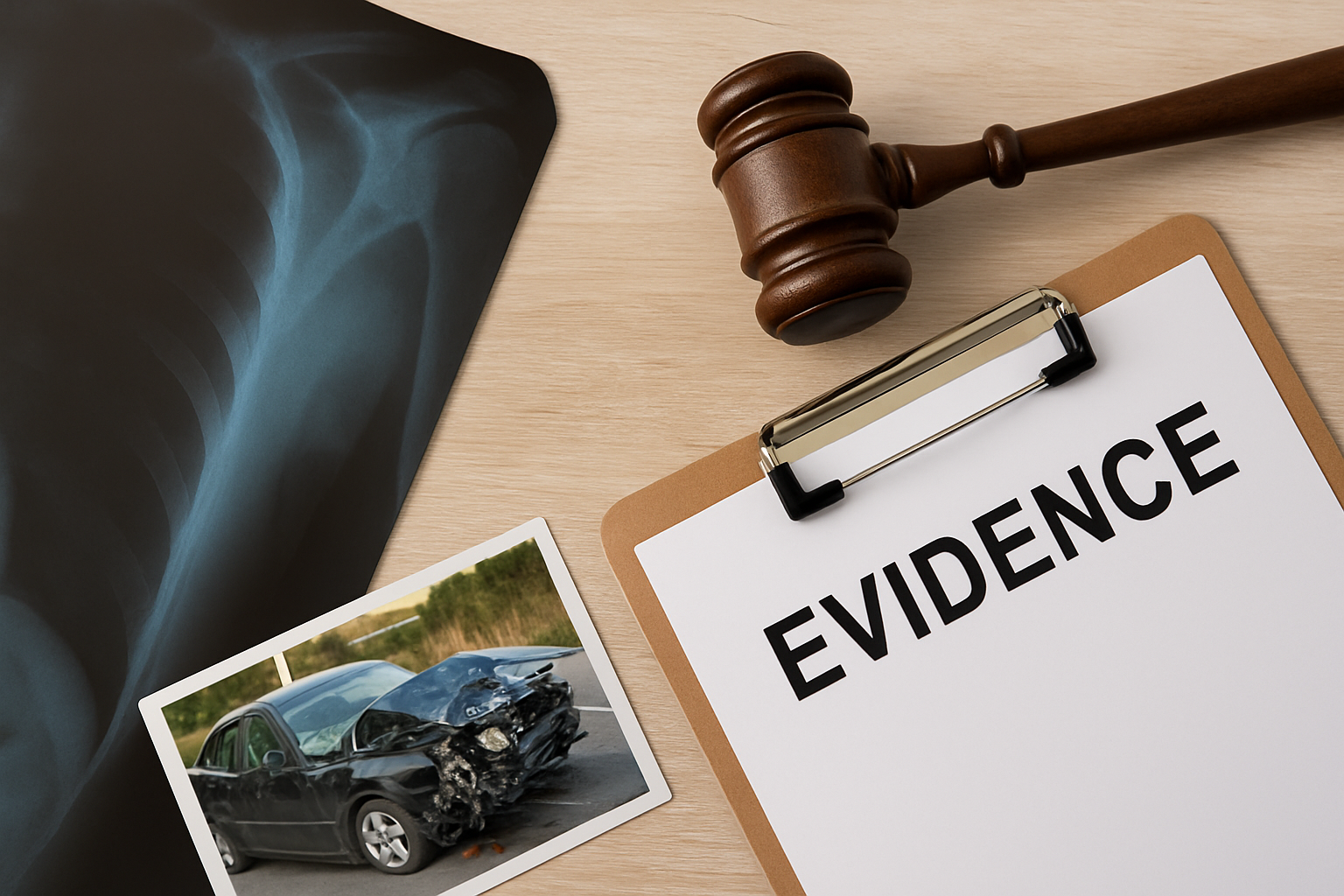
- Medical records such as diagnosis notes, treatment plans, prescriptions, and imaging scans provide clear proof of your injuries and help establish their seriousness and connection to the accident.
- Consistent medical treatment strengthens your credibility because regular visits show ongoing symptoms, while gaps in care may allow insurers to question whether your injuries are as severe as claimed.
- Keeping copies of all medical documents ensures that nothing is overlooked later and allows your attorney to request additional reports or clarification when needed to support negotiations or litigation.
2. Accident scene evidence that captures what happened
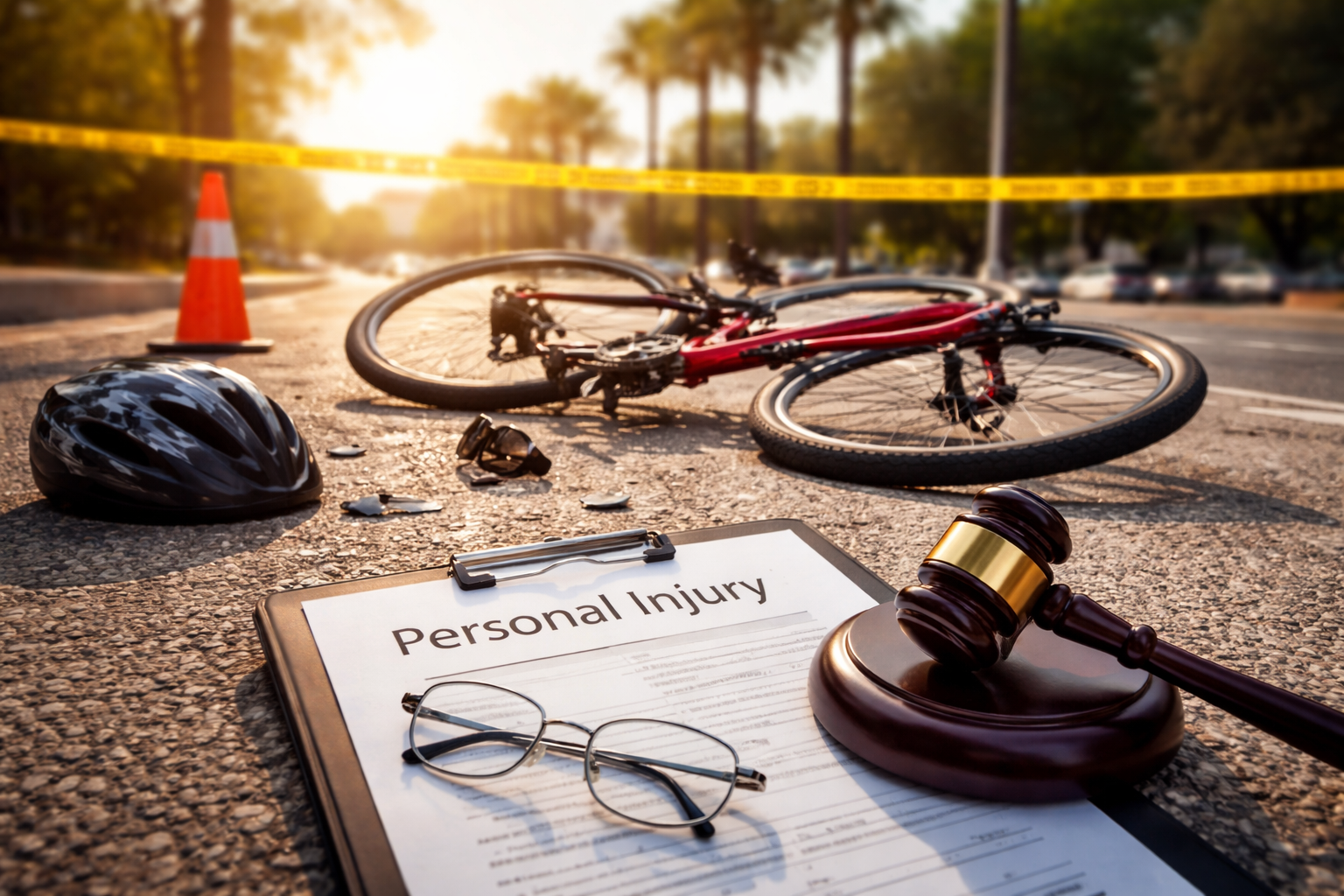
Accident scenes often contain valuable details. Photos and videos show skid marks, broken glass, vehicle damage, unsafe property conditions, or weather issues that contributed to the event. These visuals help recreate the scene and make it easier to explain why the other party is at fault.
Measurements, timestamps, and location details further support the reconstruction of events. In some cases, experts use this information to produce diagrams or digital models. This helps clarify disputed facts in a way that is persuasive to insurers or juries.
If possible, gathering scene evidence immediately after the accident is best. Conditions can change quickly, and opportunities to document hazards may be lost.
3. Witness statements that support your version of events
Witness testimony adds another layer of credibility. Independent observers who saw the accident can verify how it occurred. Their accounts often become crucial when liability is contested.
Witnesses can describe the behavior of drivers, property owners, or other parties involved. They can also provide insight into lighting, visibility, or any dangerous actions preceding the accident. Their statements become more powerful when collected soon after the event.
Your attorney may also follow up with witnesses to obtain sworn statements or deposition testimony if the case moves toward litigation. These formal statements help preserve their recollection even if months pass.
Documentation of financial losses
Financial evidence helps demonstrate the economic impact of the accident. This documentation shows what you have already spent on treatment and what additional costs you may face. It also establishes how the accident has affected your income.
Below is a simple comparison of the types of financial losses commonly included in a personal injury claim.
| Type of loss | Examples | Why it matters |
|---|---|---|
| Medical costs | Hospital bills, therapy, medication | Shows the direct financial impact of your injuries |
| Income losses | Missed workdays, reduced hours, lost earning capacity | Demonstrates how the injury affects your ability to work |
| Out of pocket expenses | Travel costs, home modifications, medical equipment | Reflects additional costs required for recovery |
These financial records allow your attorney to calculate total damages and negotiate a fair settlement.
4. Expert testimony that explains complex issues
Experts provide specialized insight into the cause of the accident or the extent of your injuries. Medical professionals can explain long term prognosis, while accident reconstruction experts can clarify how the event unfolded. Vocational experts may testify about your ability to return to work.
Their opinions add weight to your claim because they rely on training, data, and scientific analysis. When the defense challenges your injuries or the cause of the accident, expert testimony becomes a crucial tool to support your case.
Expert reports are often used during settlement discussions. They can also be presented in court if litigation becomes necessary. These materials help ensure that decision makers fully understand the seriousness of your injuries.
5. Digital and electronic evidence
Modern devices and recording systems often capture objective details that can strongly support your account of how the accident happened and who may be at fault.
- Surveillance footage, dashcam videos, and security recordings can verify how the incident occurred, provide timestamps, and document movements or hazards that may otherwise be disputed by the insurance company.
- Phone records, smart device data, and vehicle event logs can show factors such as speed, location, or distracted driving, giving your attorney clear technical proof that supports liability and counters opposing arguments.
- Collecting and preserving digital files quickly is important because many systems overwrite recordings, so your attorney may send preservation requests to ensure valuable evidence is not deleted.
6. Personal records that show the effects on daily life
Daily documentation helps illustrate how the injury impacts your routines, comfort, and independence in ways that medical bills alone cannot fully capture.
- Journals, notes, and personal logs can describe pain levels, mobility limits, emotional challenges, and missed activities, giving insurers and attorneys insight into how the injury changes your day to day life.
- Photos of visible injuries and physical limitations help show healing progress or lingering effects and provide additional context that supports claims for pain, suffering, and reduced quality of life.
- Records of restricted activities or necessary adjustments at home or work help demonstrate how the injury affects your overall functioning and strengthen requests for noneconomic damages.
How to organize evidence effectively throughout your claim
Staying organized from the beginning ensures your documents remain clear, accessible, and ready to support every stage of your case.
- Create a dedicated evidence folder: Keep all medical records, photos, bills, letters, and reports in one place so nothing is misplaced and new documents can be added easily over time.
- Save digital copies of everything: Store scanned documents and photos in a secure online or digital folder to maintain a chronological, easily shareable record for your attorney.
- Coordinate closely with your attorney: Provide new evidence promptly and follow guidance on what additional documents may strengthen your claim so your legal team can build a complete and accurate case file.
What mistakes should victims avoid when collecting evidence?
Avoiding common pitfalls helps preserve the strength of your claim and ensures that no important proof is lost or weakened during the process.
- Failing to preserve documents can weaken your claim because missing records make it harder to show how the accident happened or how serious the injuries are, so always keep organized copies of everything related to the incident.
- Posting about the accident on social media can give insurers material to use against you, even when comments seem harmless, so it is best to avoid sharing anything publicly until your case is resolved.
- Relying solely on memory instead of documenting details immediately can lead to inaccuracies, so take photos, write notes, and preserve receipts as soon as possible to maintain credibility in your claim.
Bringing it all together: What does a strong evidence file look like?
A strong evidence file is consistent, complete, and well documented. It should include medical records, scene photos, witness statements, financial documents, expert reports, and personal records that describe daily challenges. All these components support liability, damages, and the overall validity of your claim.
Knapp Moss can guide you through gathering, preserving, and presenting evidence so your case is supported from every angle. Their team uses strategic investigation techniques and experienced negotiation skills to protect your rights and pursue the best possible outcome.
Contact Knapp Moss today for personalized legal help.
Frequently Asked Questions
If your injuries prevent you from collecting evidence, ask a friend, family member, or bystander to help. Your attorney can also gather important documentation later through formal requests.
You should seek medical care immediately, even if symptoms seem mild. Prompt treatment supports your health and strengthens your claim by documenting injuries early.
Digital evidence can help most cases, but availability depends on the type of accident and whether recordings exist. Your attorney can send preservation requests to secure footage before it is deleted.
Medical records and expert testimony can help counter disputes. Your attorney may obtain additional evaluations or documentation to support the extent of your injuries.
Not every case requires experts, but they are helpful when medical issues are complex or liability is contested. Your attorney will determine whether expert testimony is necessary.